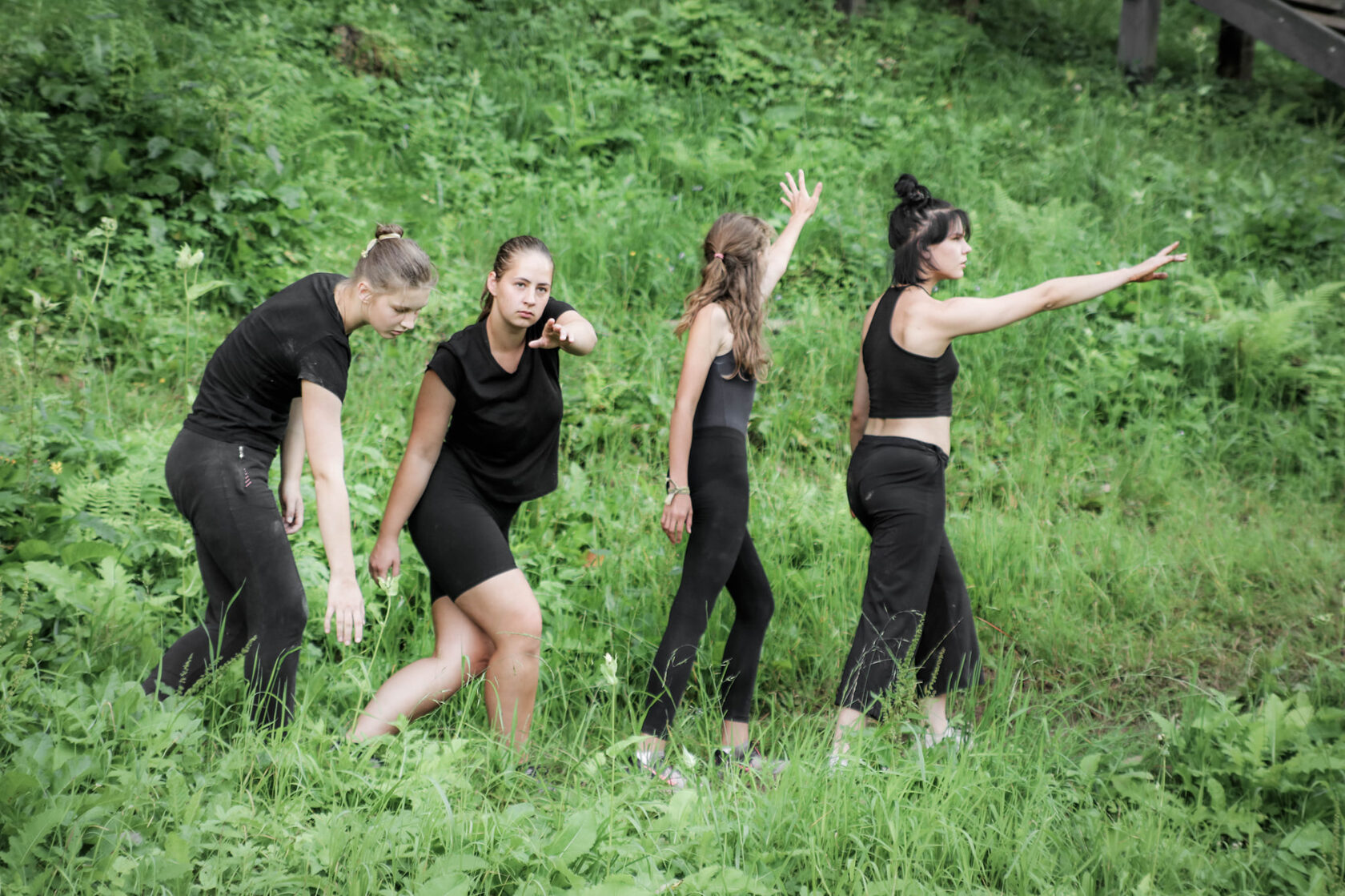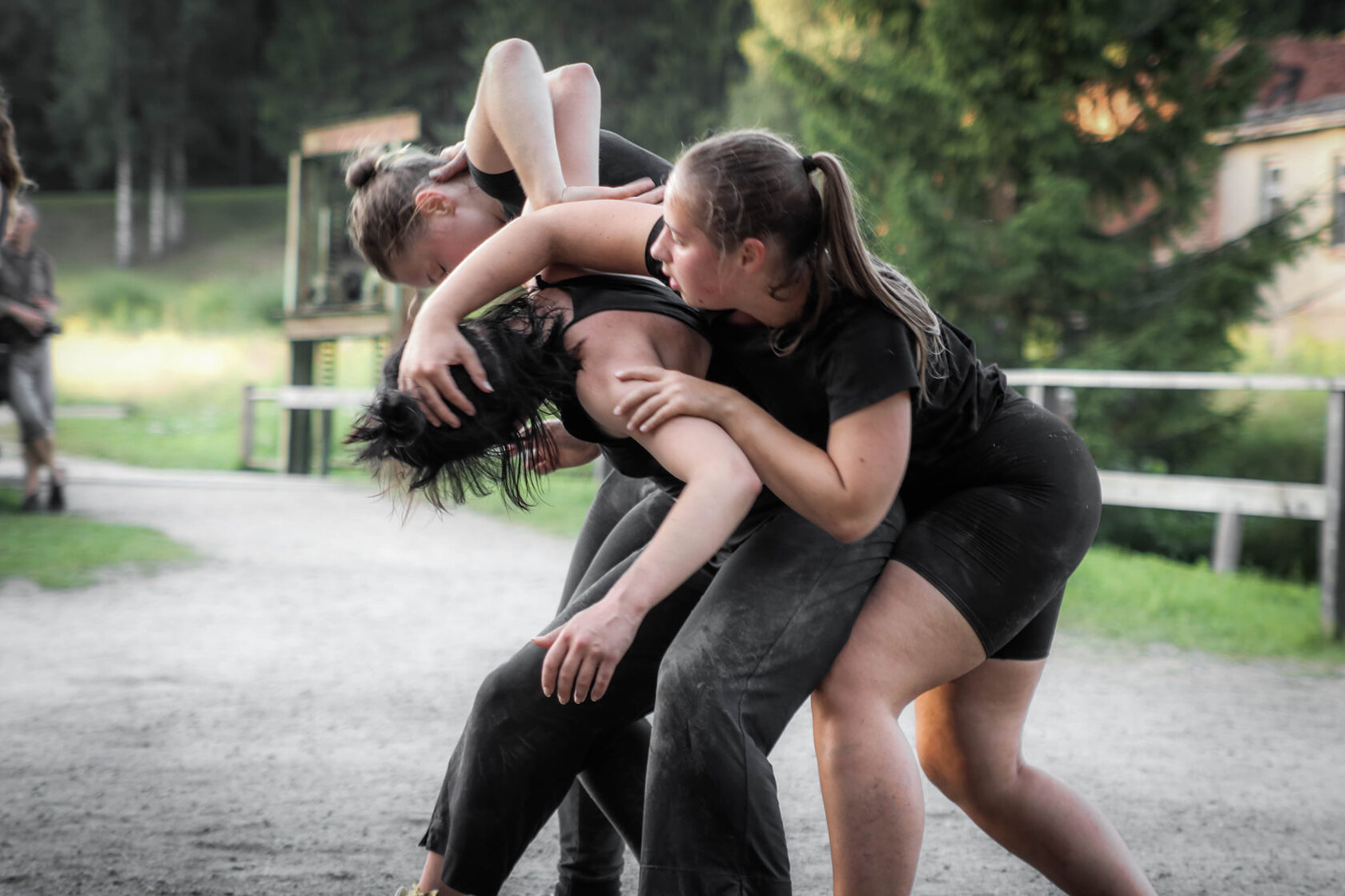
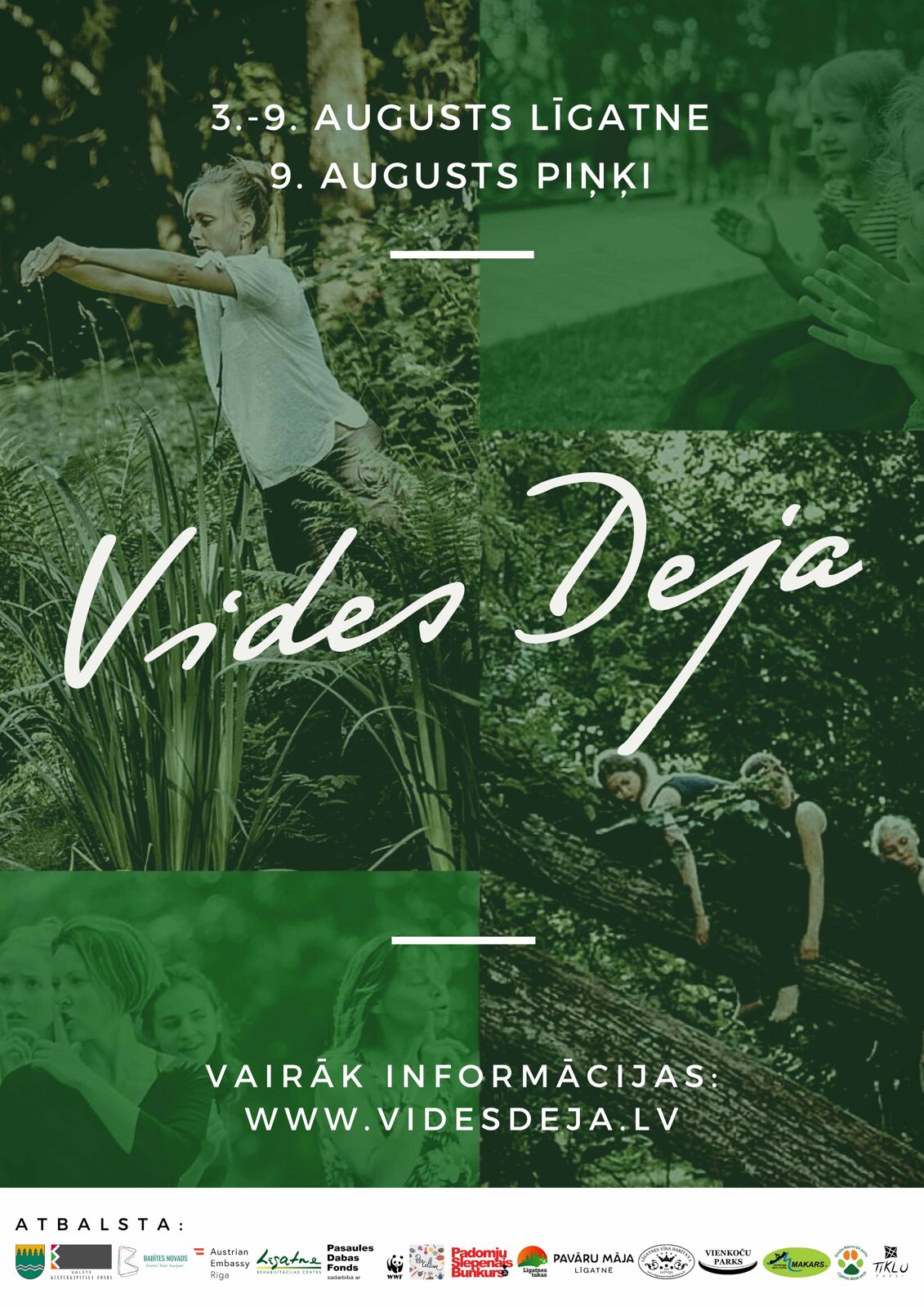
2020 Environmental Dance Festival in LĪGATNE and PIŅĶI
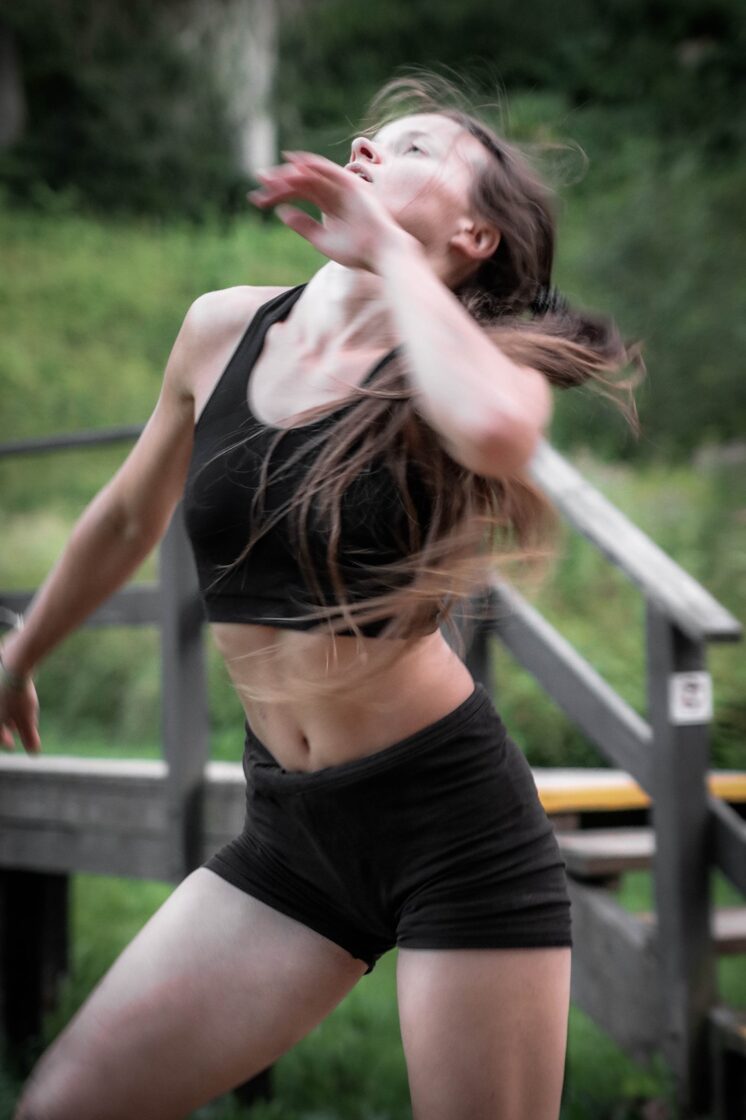
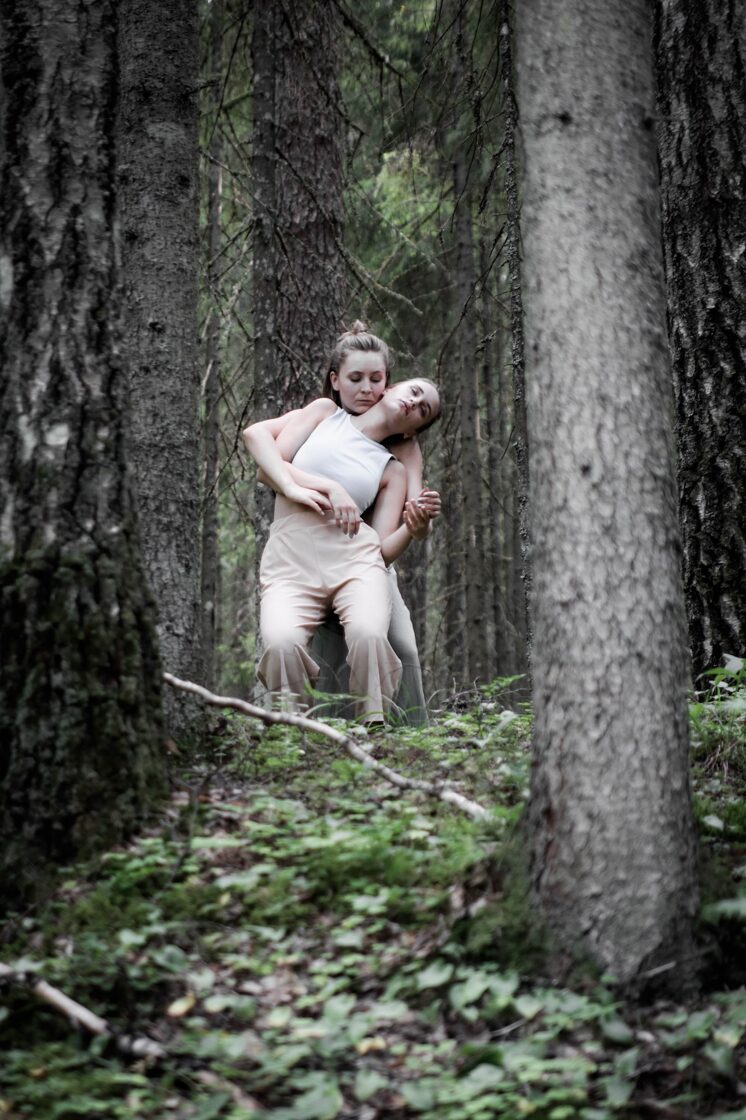
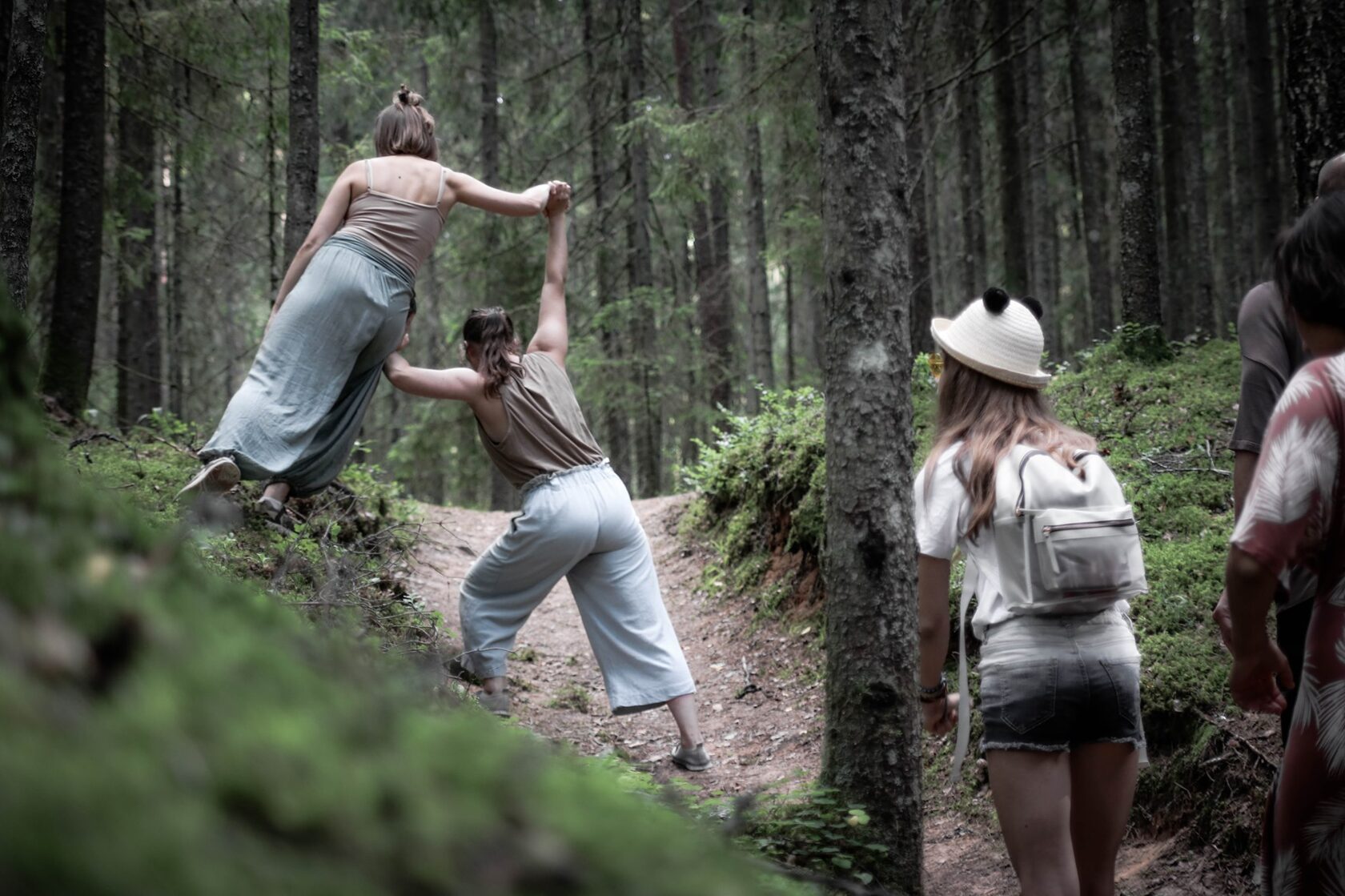
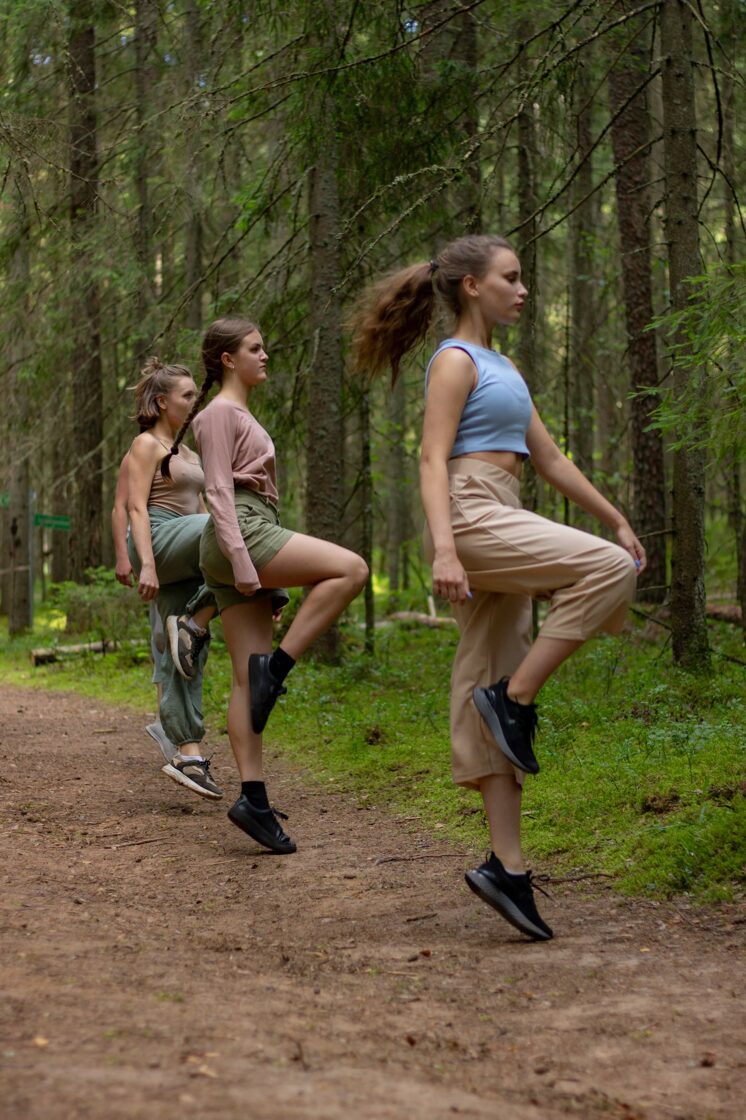
ENVIRONMENTAL DANCE is an annual traveling event that for more than ten years has been searching for unique venues in Latvia to introduce audiences to works of contemporary environmental dance.
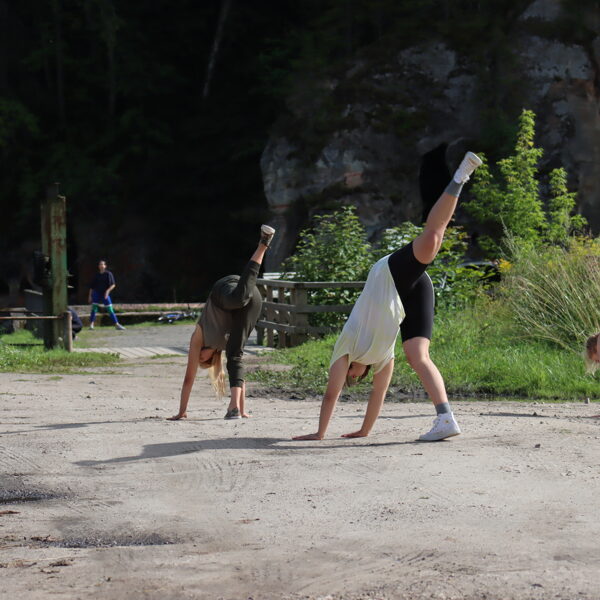
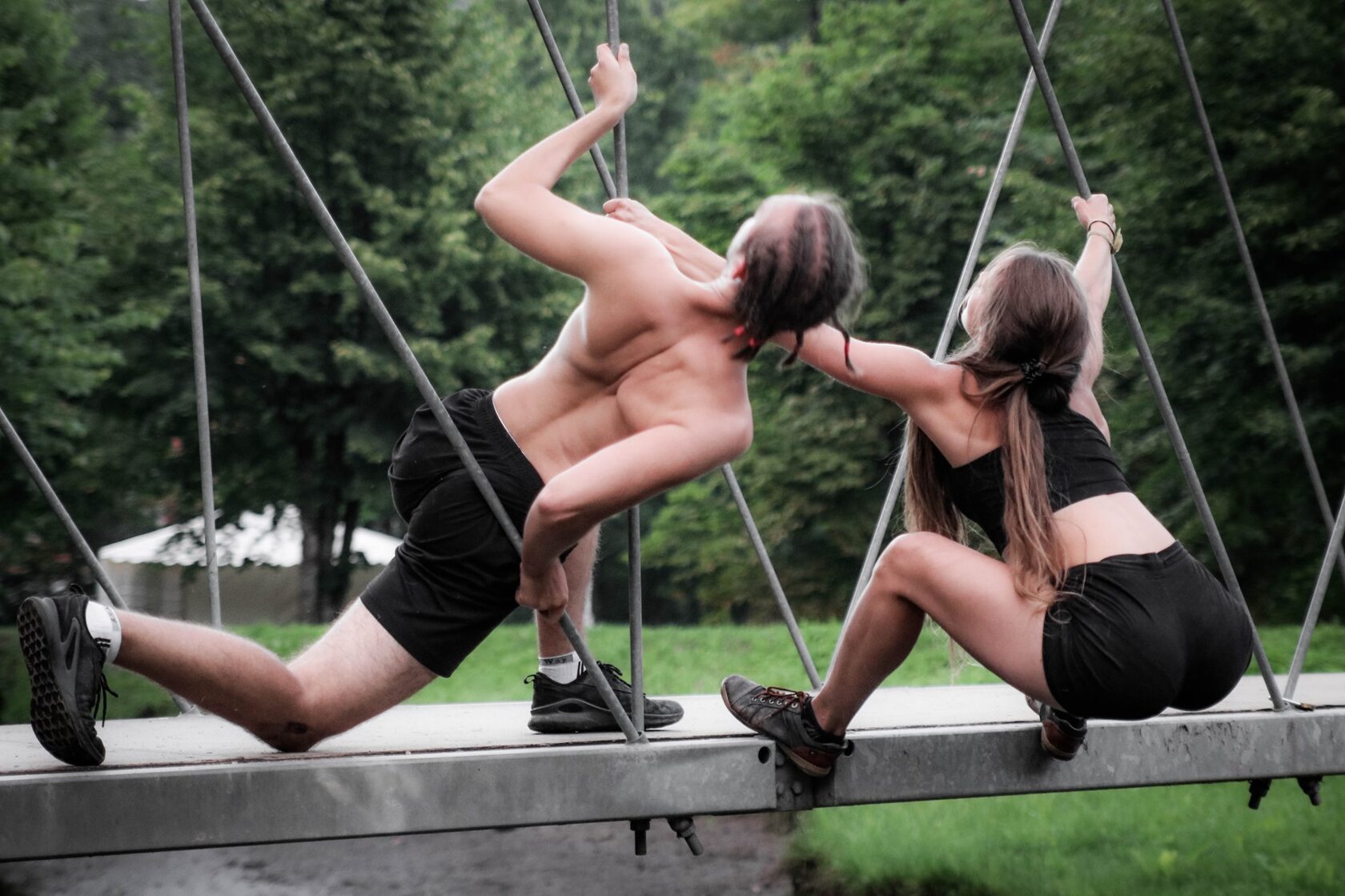
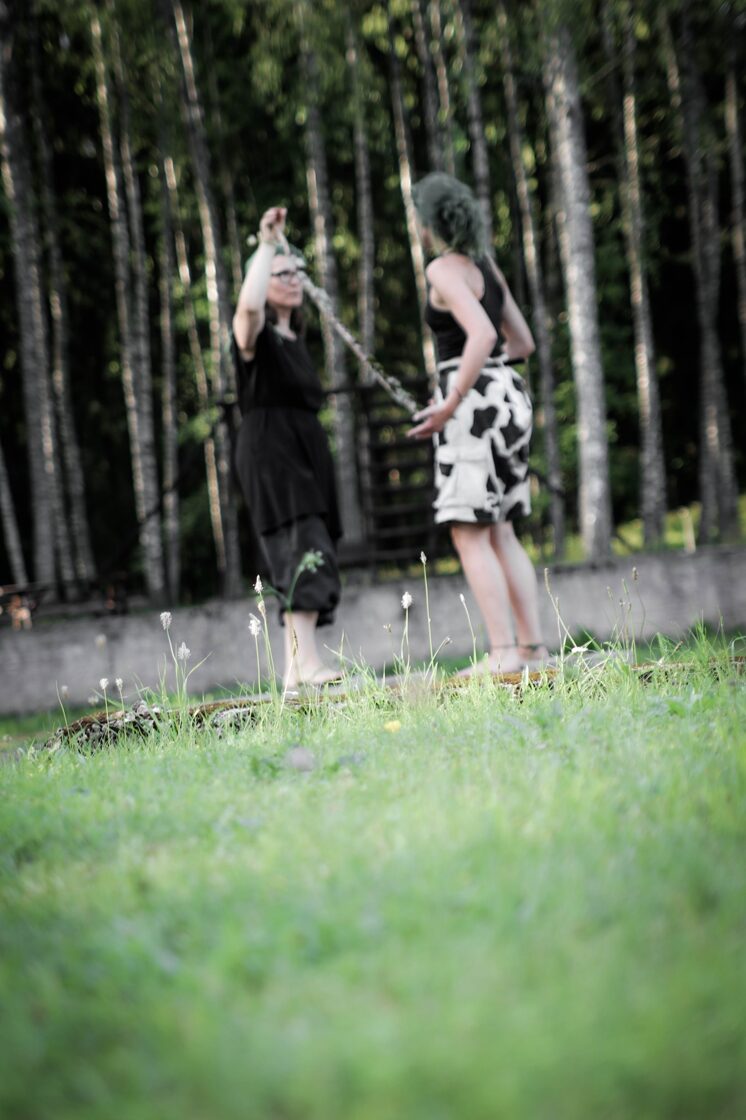
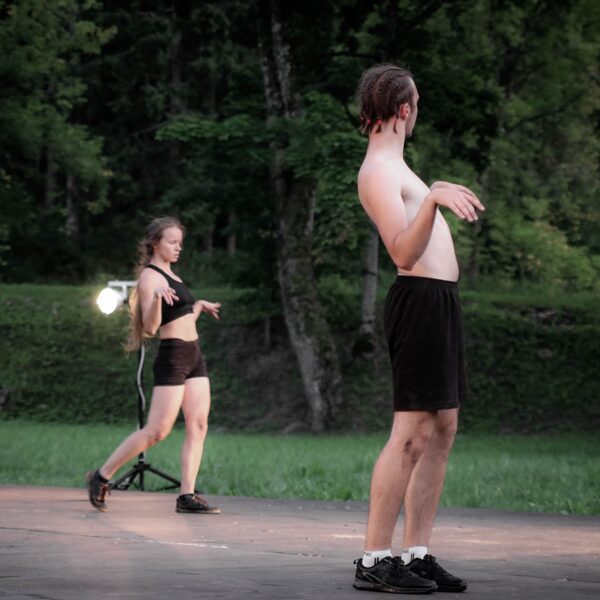
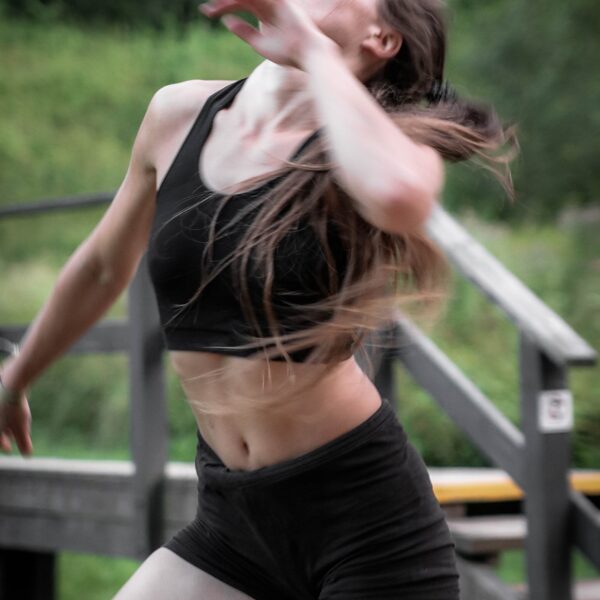
Restore the population (stairs, bridge, old stage)
- Choreography - Hygins Delimat
- Dancers: Katrīna Albuže, Dzintars Lipors, Vanda Gibovska
The original forest is cut down, and the natural habitats of plants and animals are changed in the name of improvement. Human activity and industrialization have driven out many species. But today, in many places, nature has been so exploited that humans may soon abandon it. So what is the environment like after humans disappear? How does the return happen? How do natural organisms react to this post-industrial landscape?
Expressive choreography explores various strategies for restoring the planet.

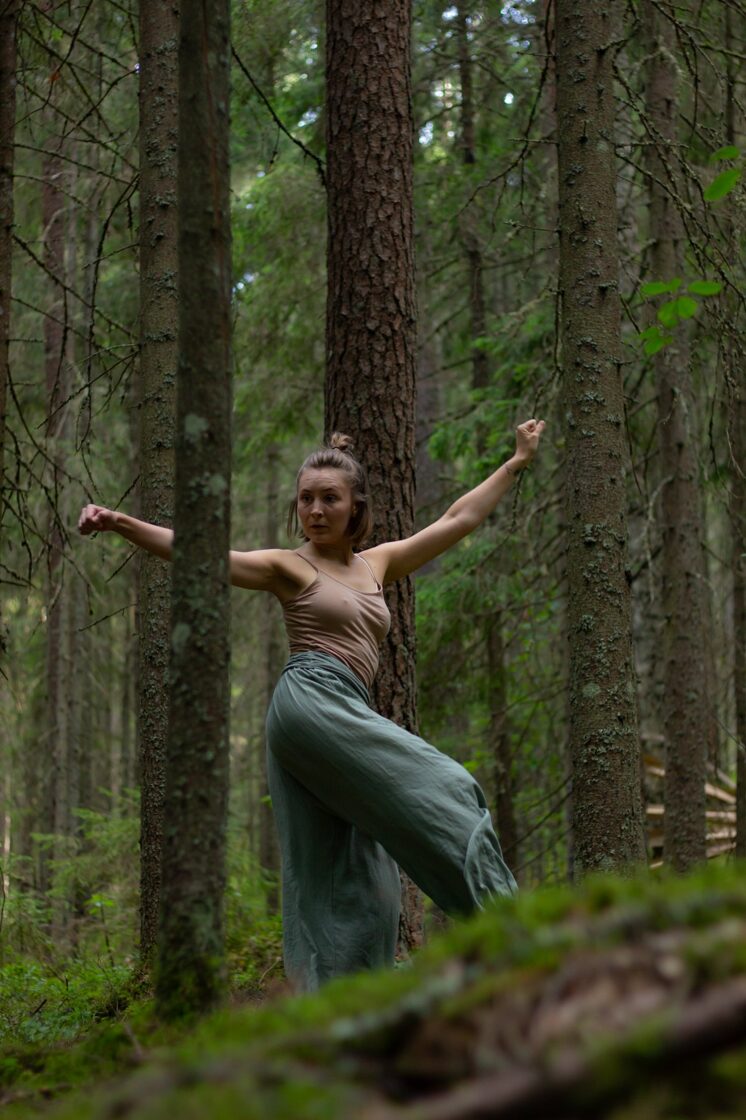
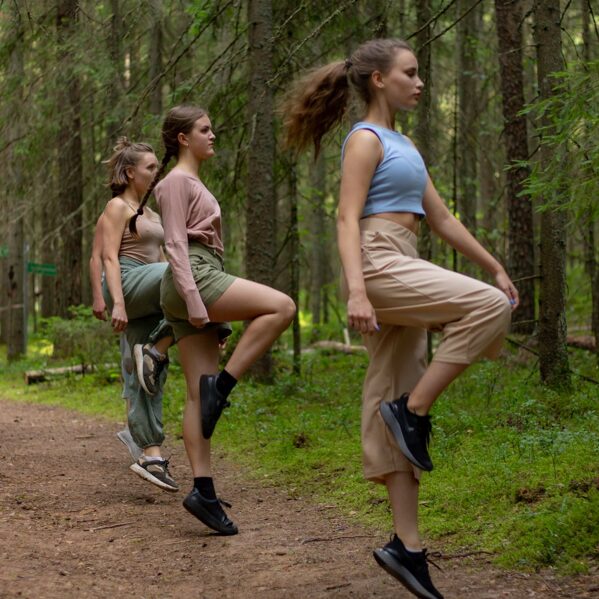
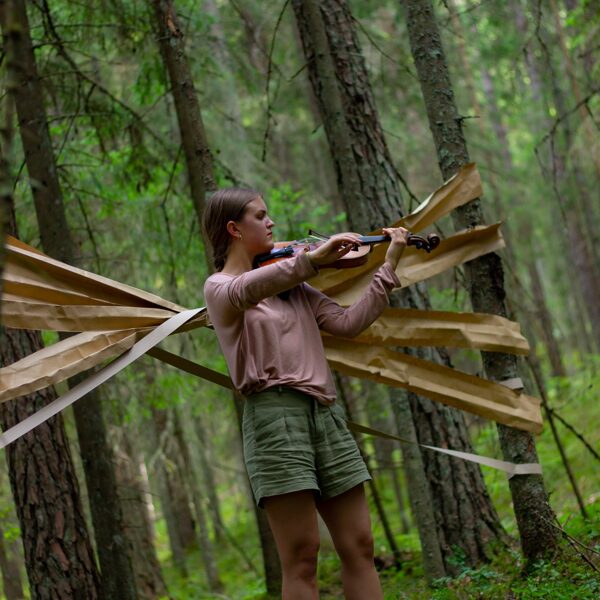
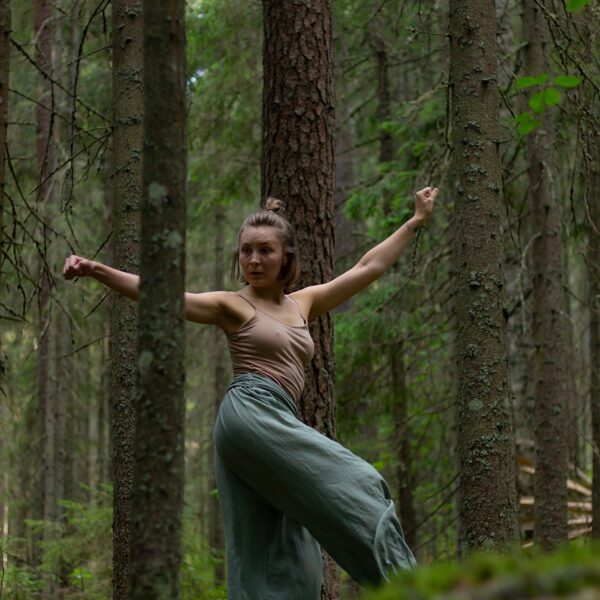
Feeding (In the Forest)
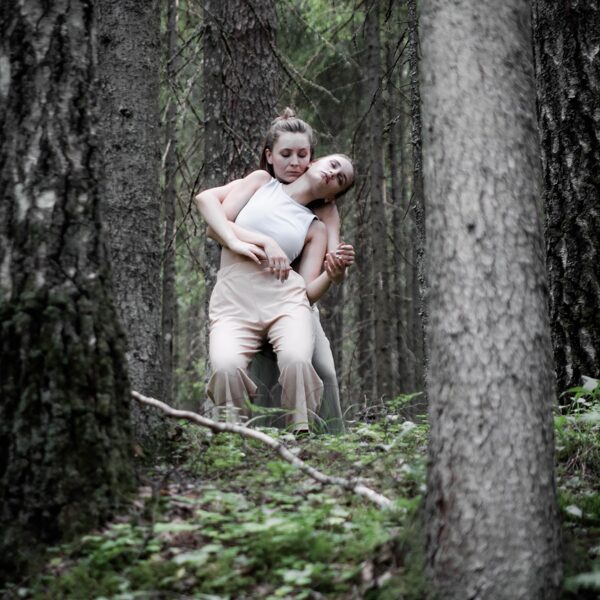
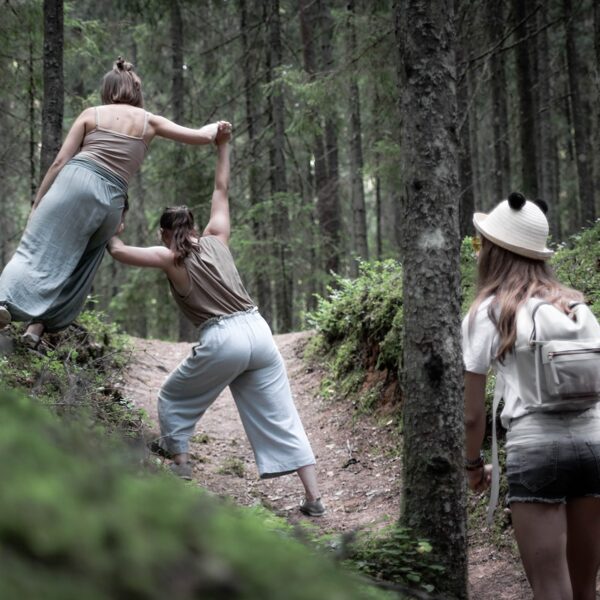
- Choreography - Nils Claes
- Dancers: Marija Saveiko, Paula Vigante, Daina Klints, Andris Rudzitis, Līva Nora Apšeniece, Arta Lipora
- Music - Raimonds Celms
- Visual artist - Alise Klimkane
What is the connection between how we care for our relationships with other people and how we tend to nature? Broken connections are very hard to change, and they have consequences. We can very easily lose contact with a family member or friend if we don't put in the time and effort to make sure this person is treated with respect. The same applies to how we care for the planet and the environment. Damage caused by disrespect is sometimes irreversible, and its healing can take years. Instead of seeking new relationships or places to live, wouldn't it be healthier to preserve what we already have and what has already given us so much?
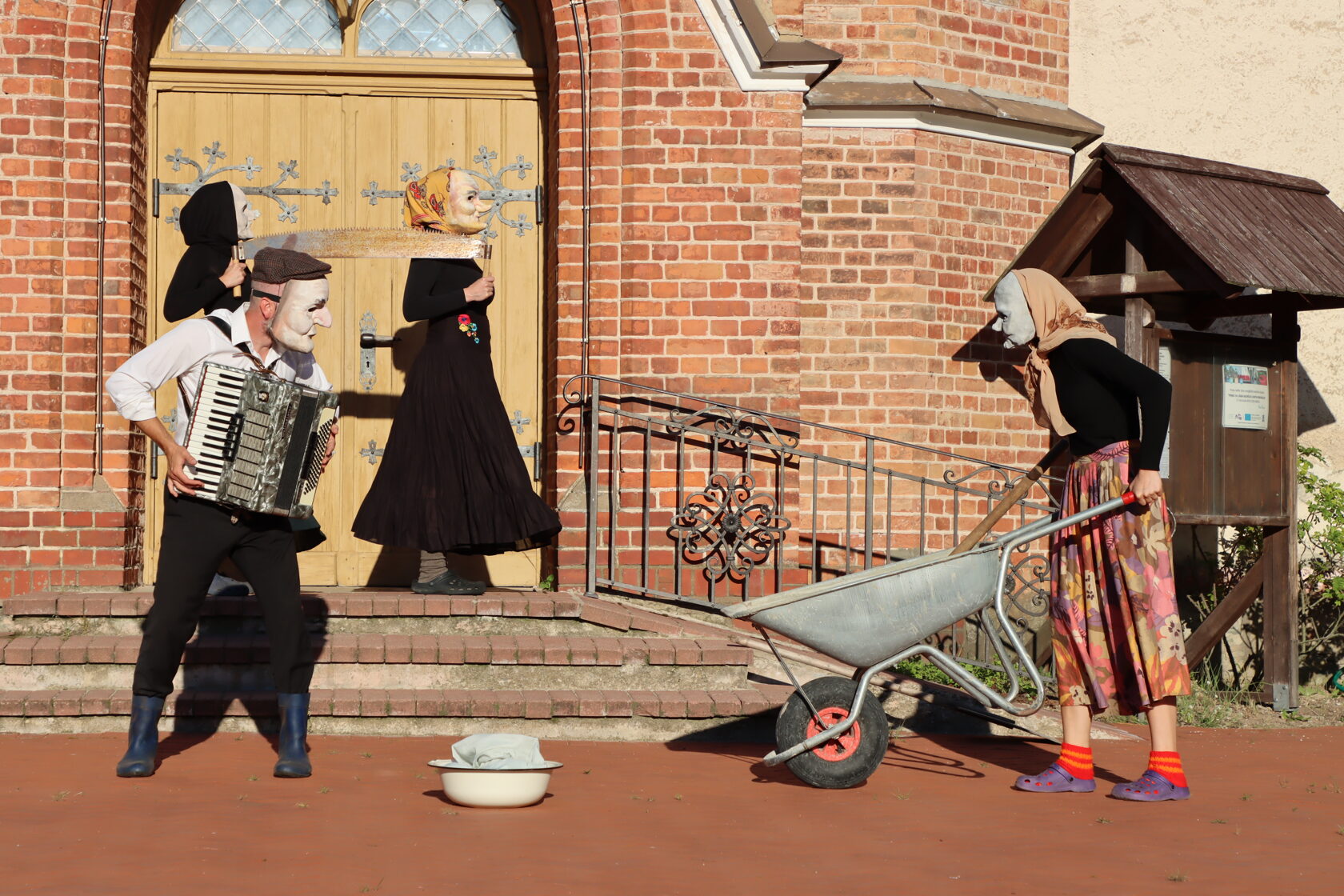
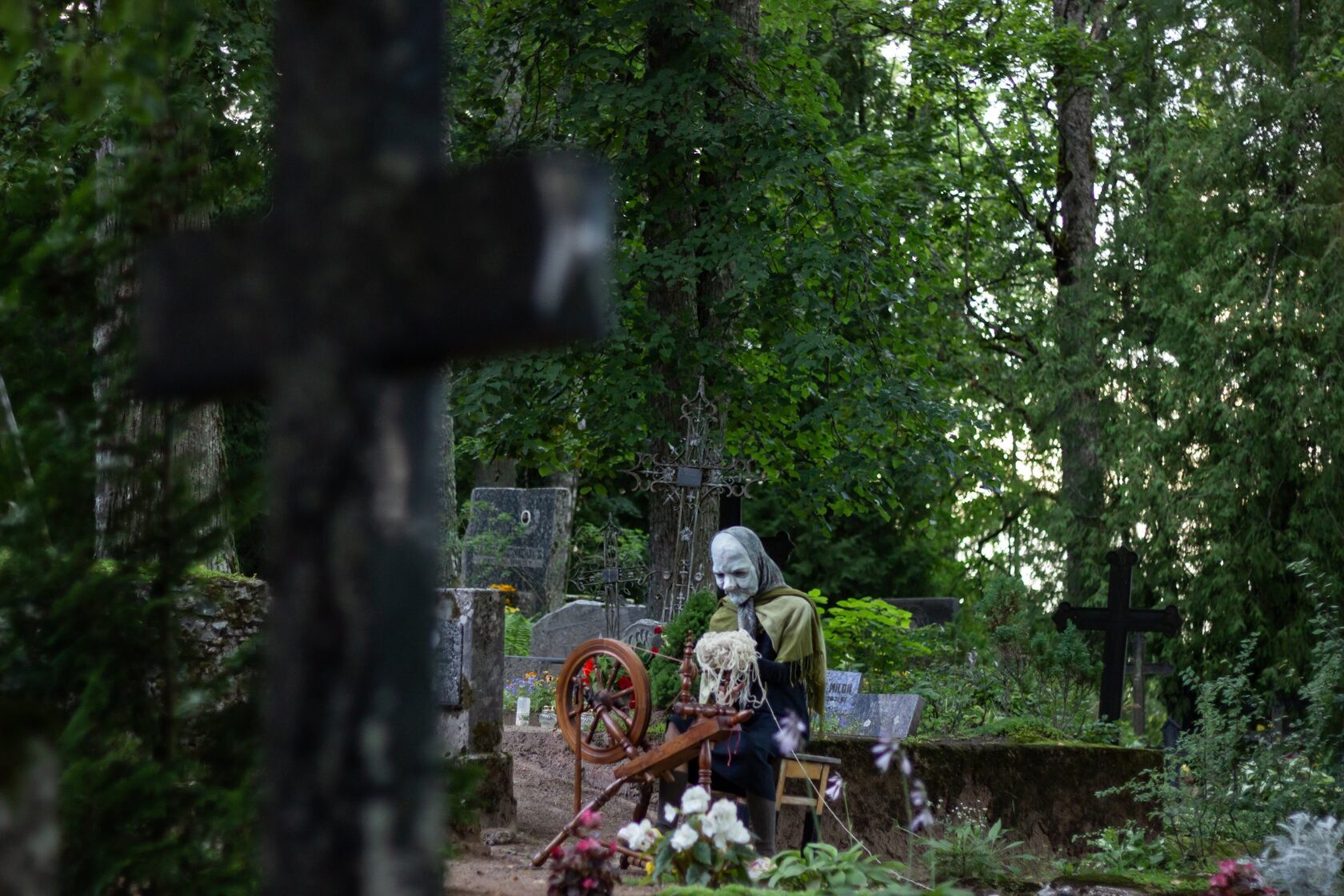
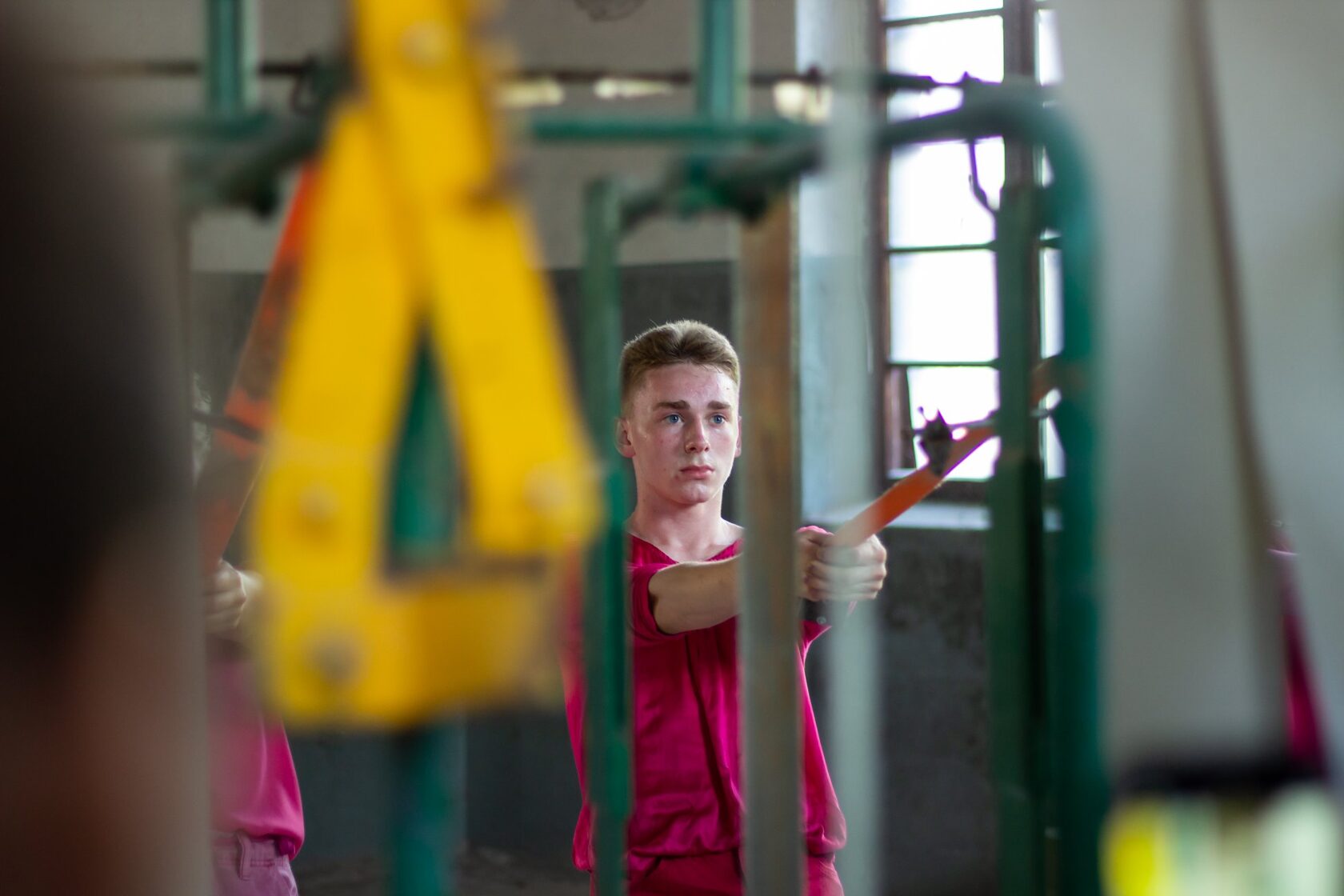
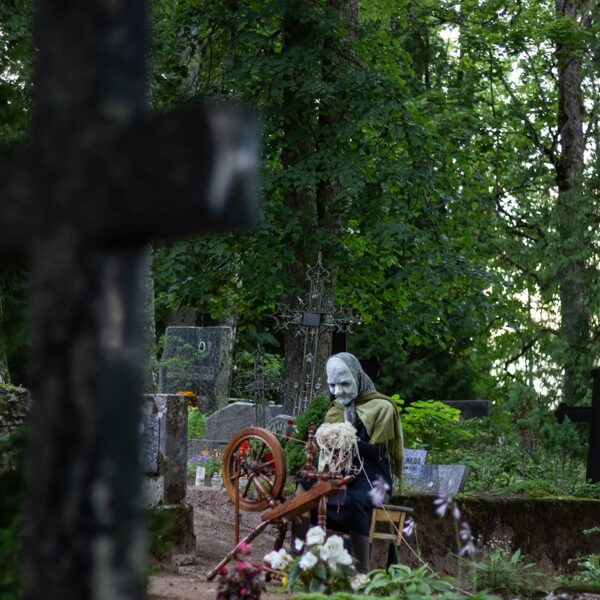
Krāmi (by the Līgatne Central Cemetery Chapel)
- Choreography: Vita Malahova, Edgars Lipors
- Dancers: Guna Briža, Madara Luīze Muzikante, Aurēlija Proņona, Dārta Dušele, Vita Malahova, Edgars Lipors
- Music - Edgars Lipors
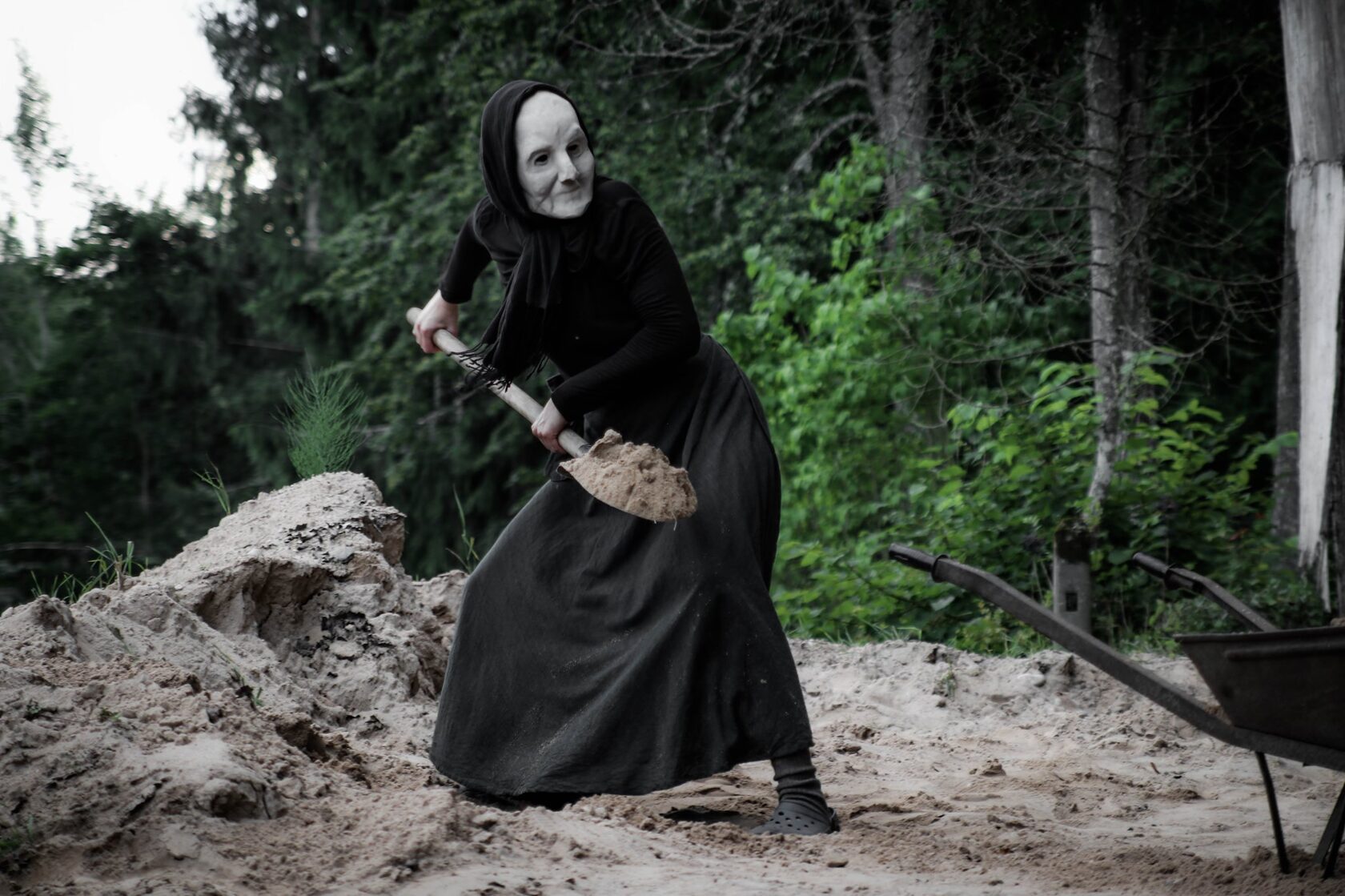
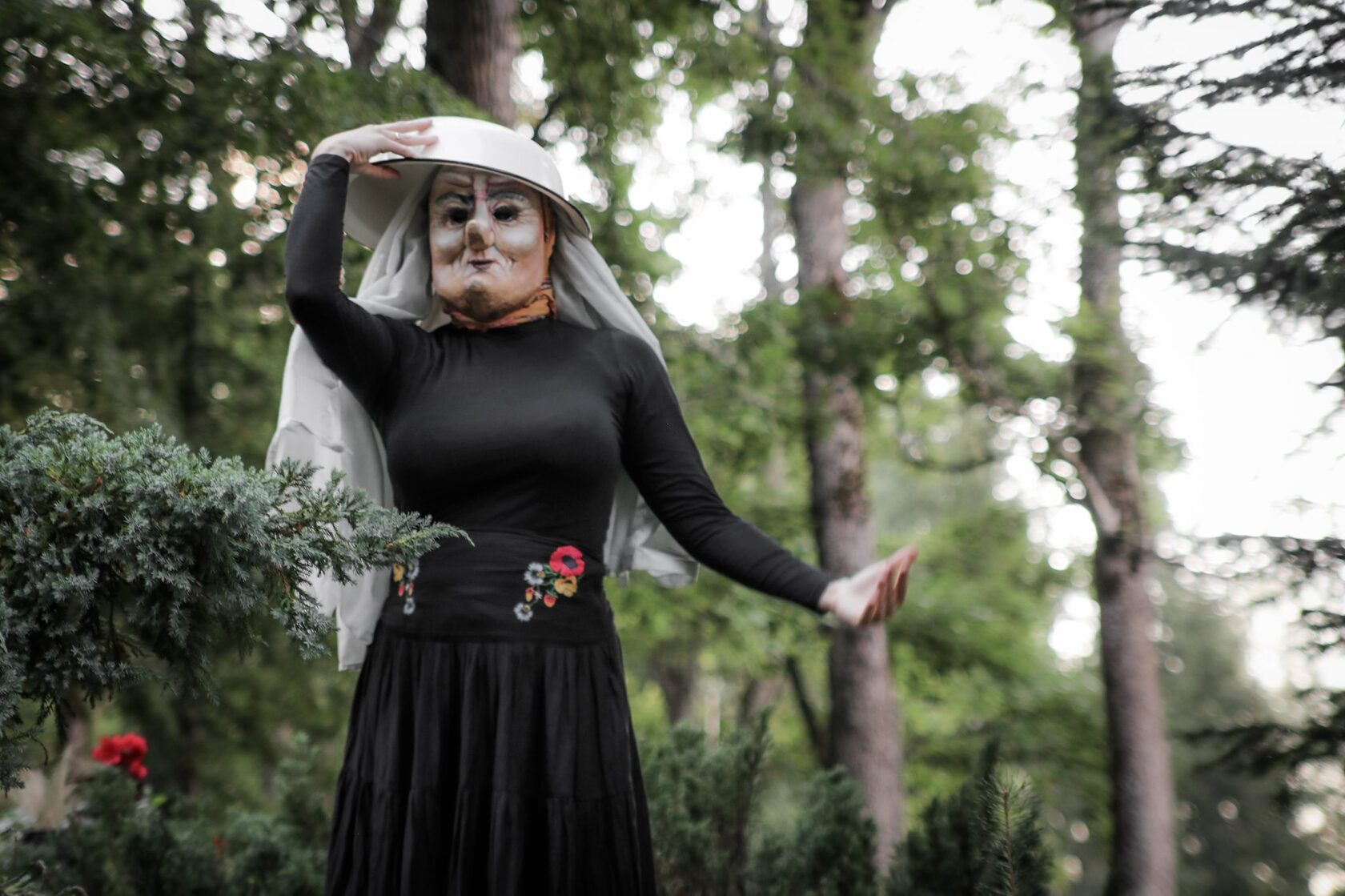
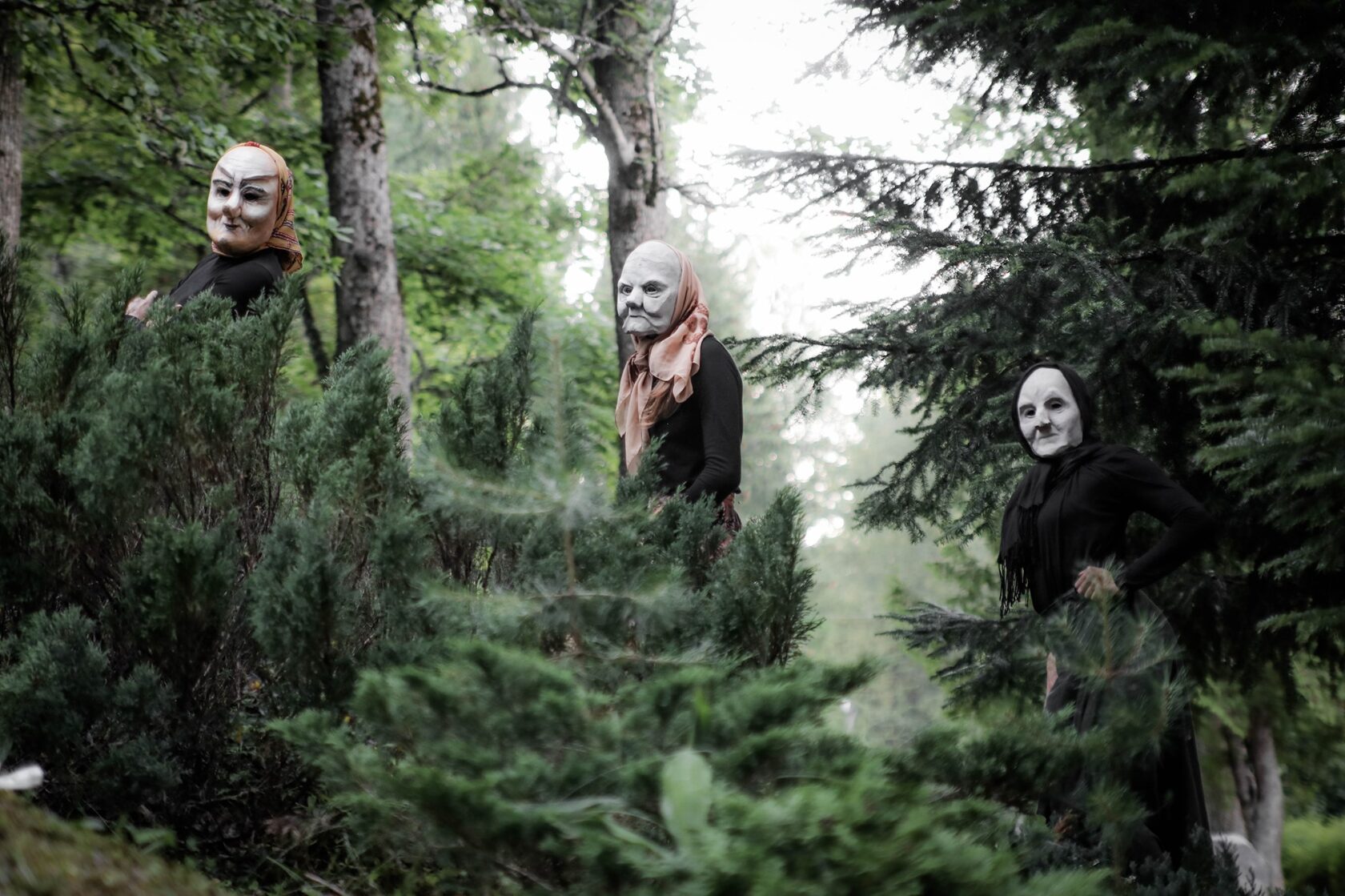
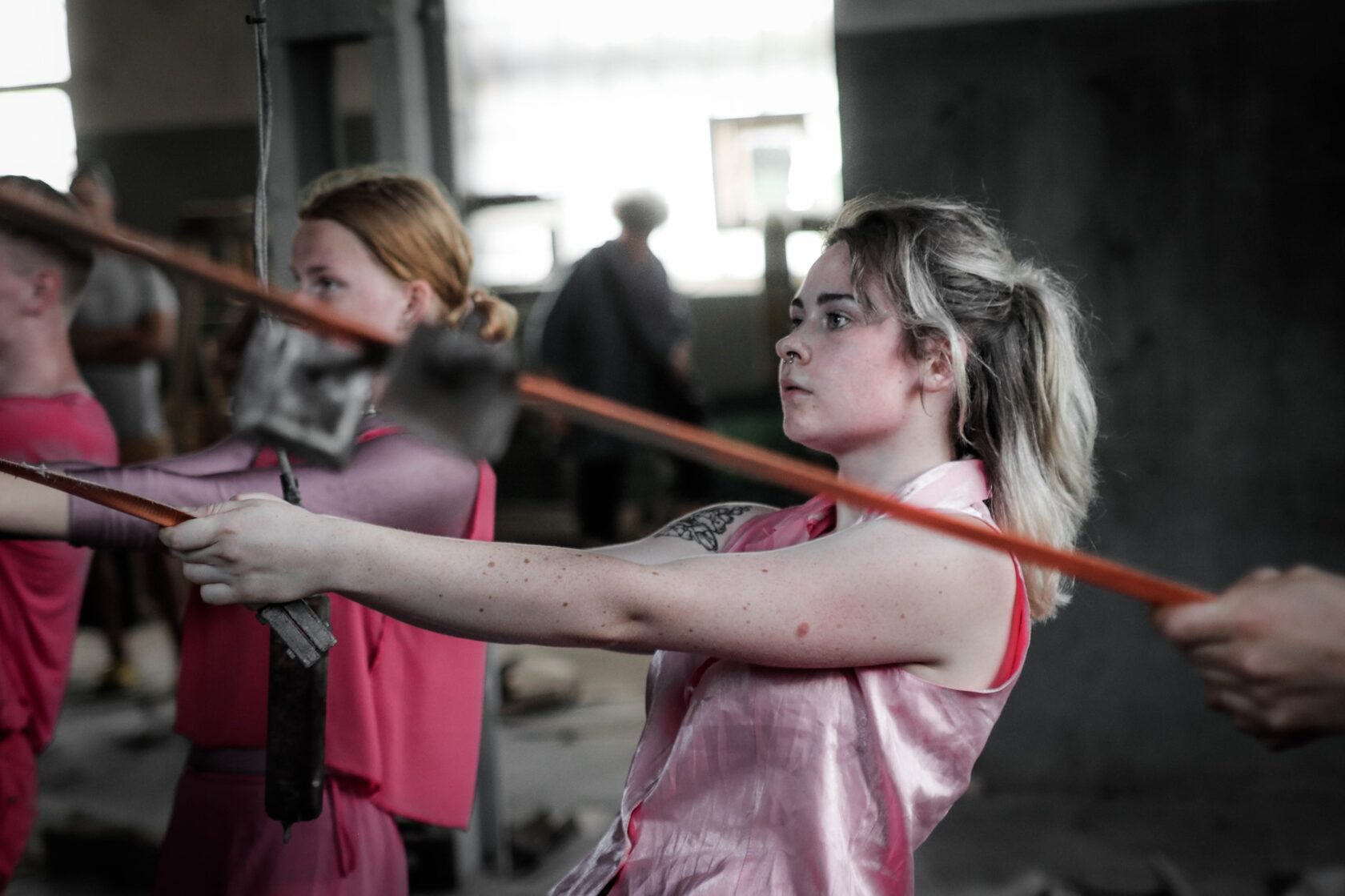
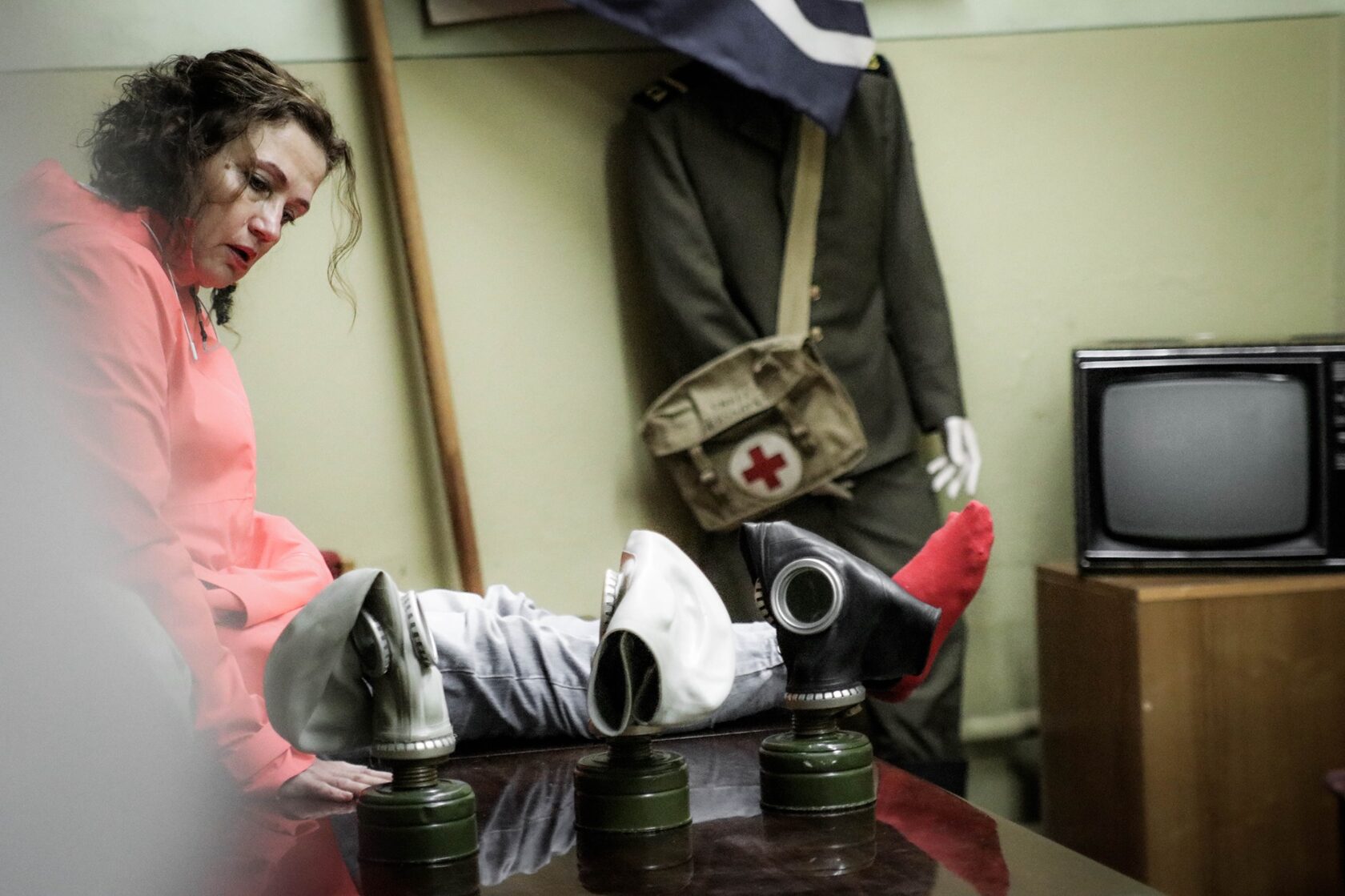
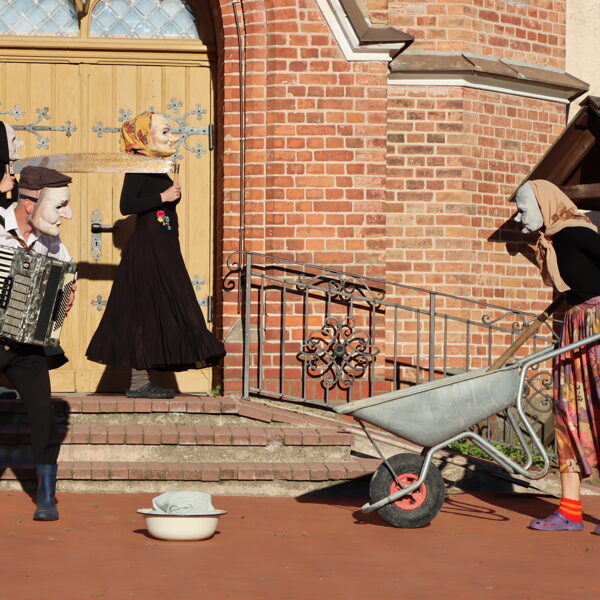
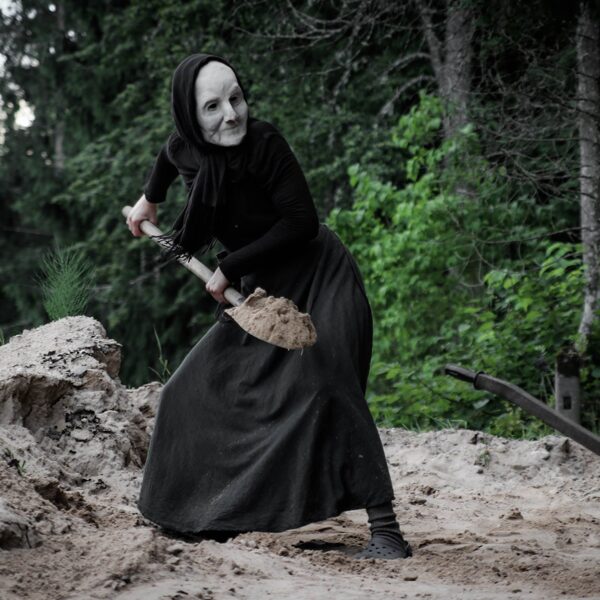
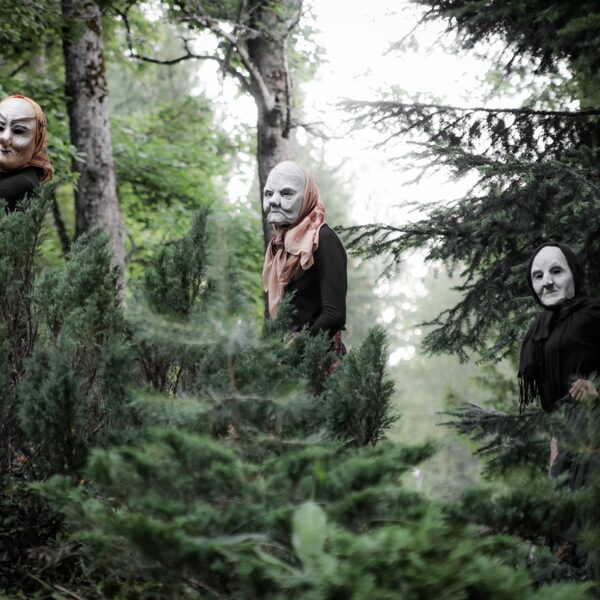
Krāmi is a dance tribute to disappearing rural work and tools. This idea arose while visiting abandoned homesteads found in rural areas, which are like museums, like encyclopedias of bygone times and people. The performance is created in the aesthetics of physical theatre, combining dance and mask theatre.

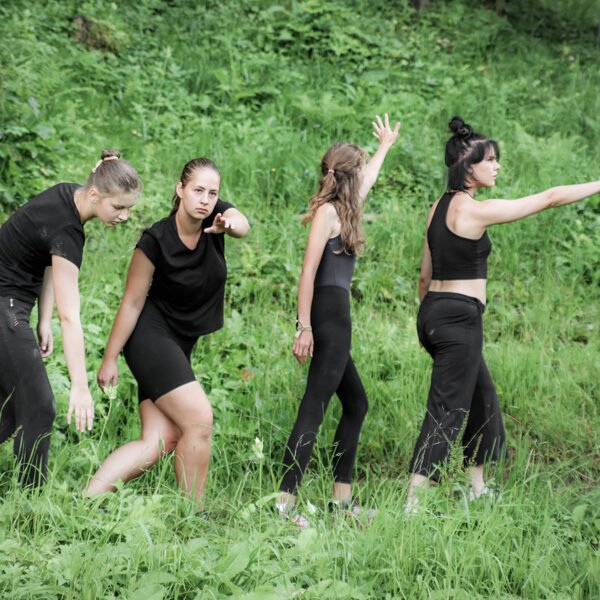
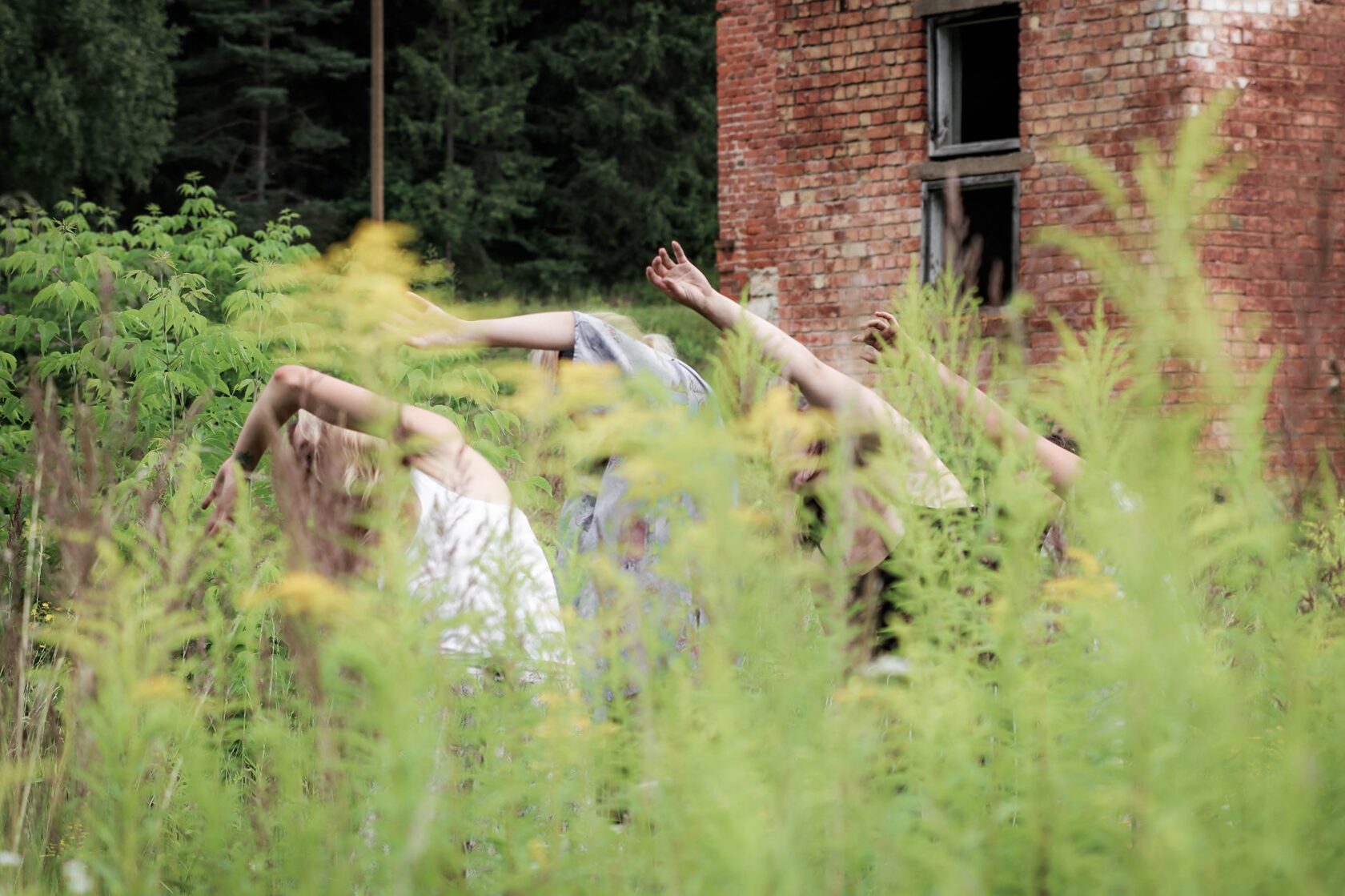
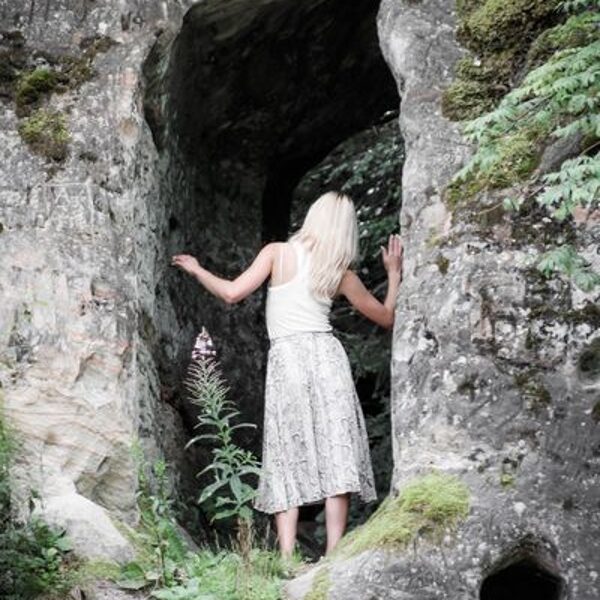
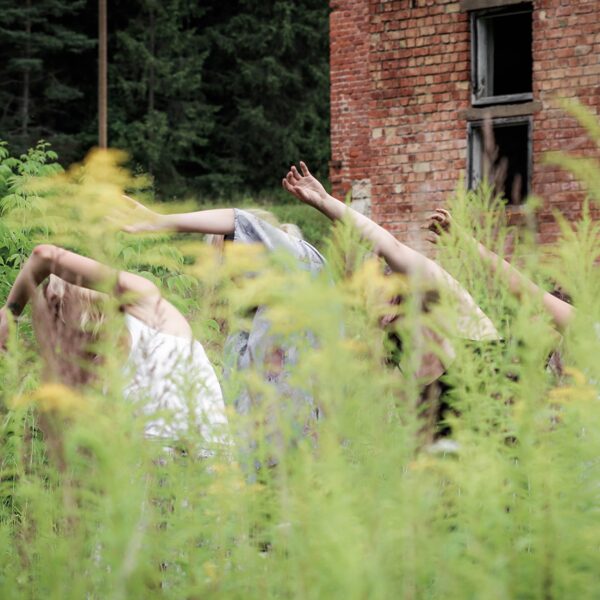
The Fall (an abandoned, semi-collapsed building by the bridge and dam and its territory)
- Choreography - Elias Choi Buttinger
- Dancers: Maria Podoldkaia, Ramona Levane, Darja Turčenko, Sabīne Metāla
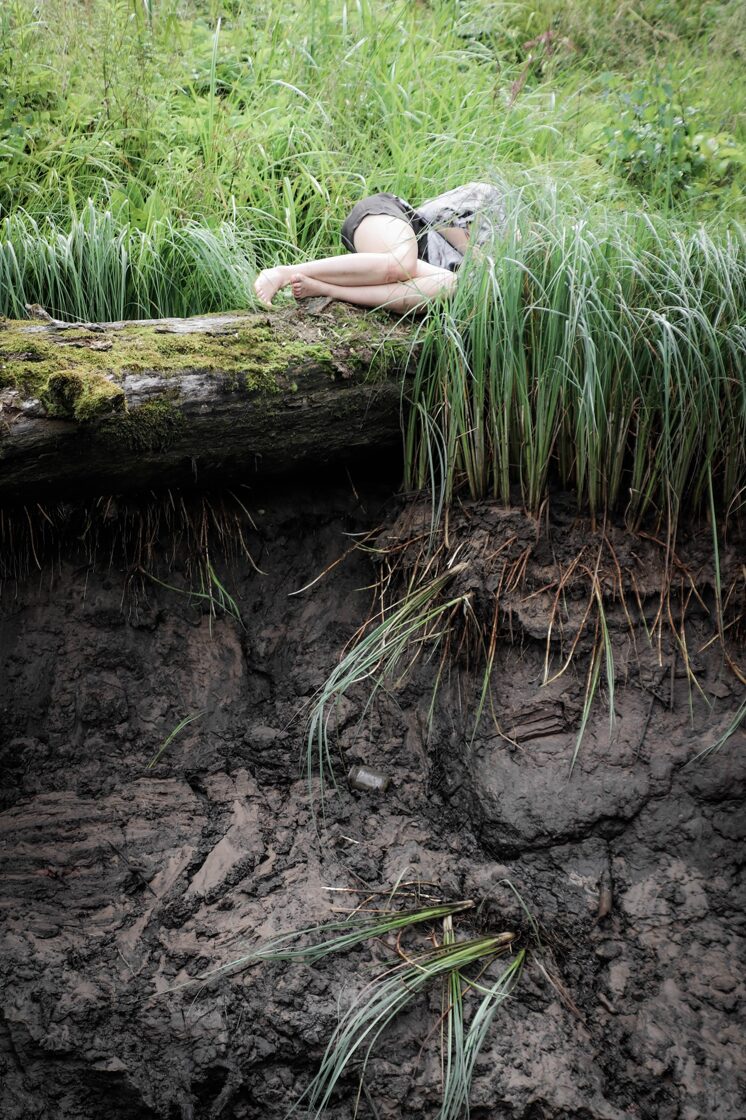
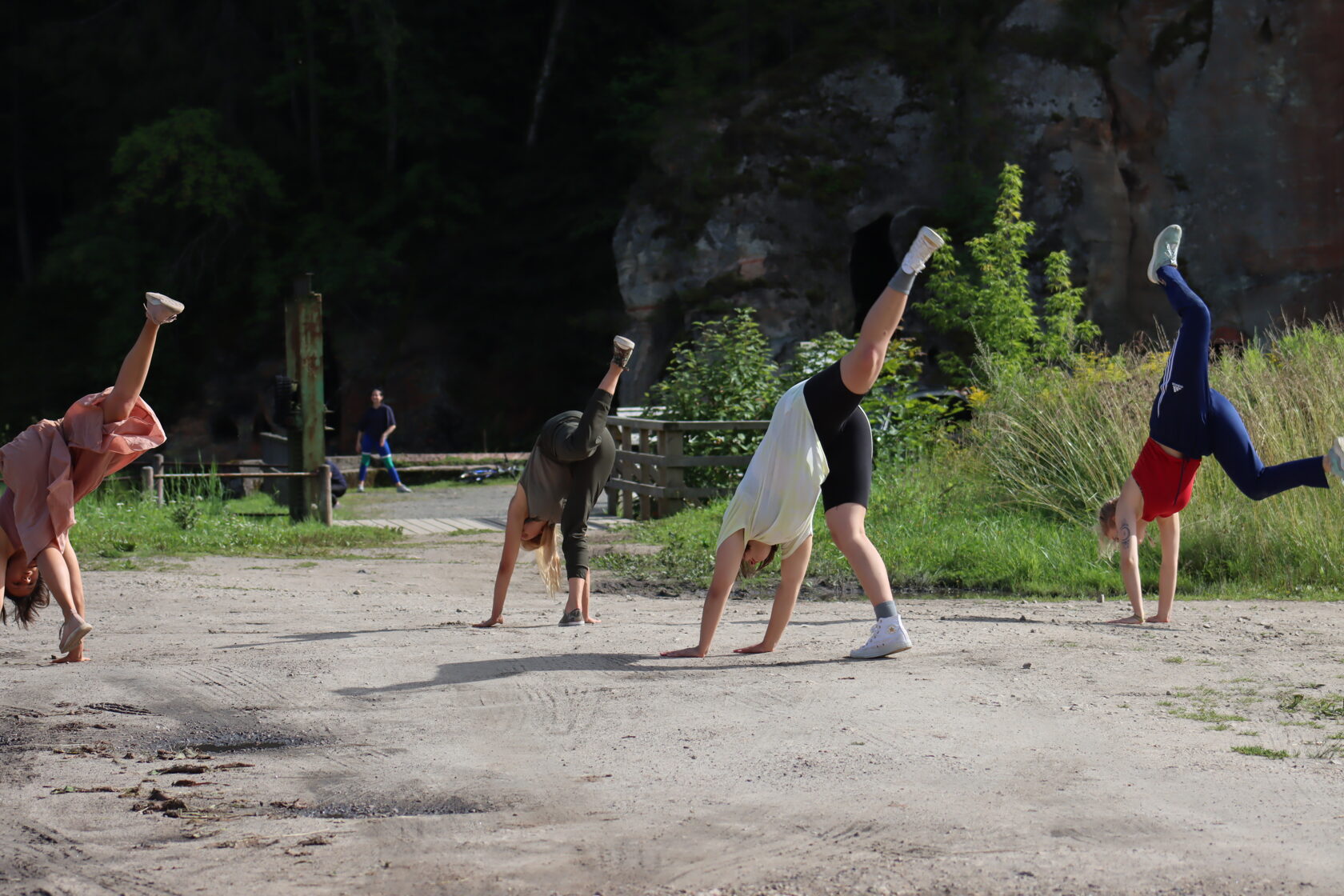
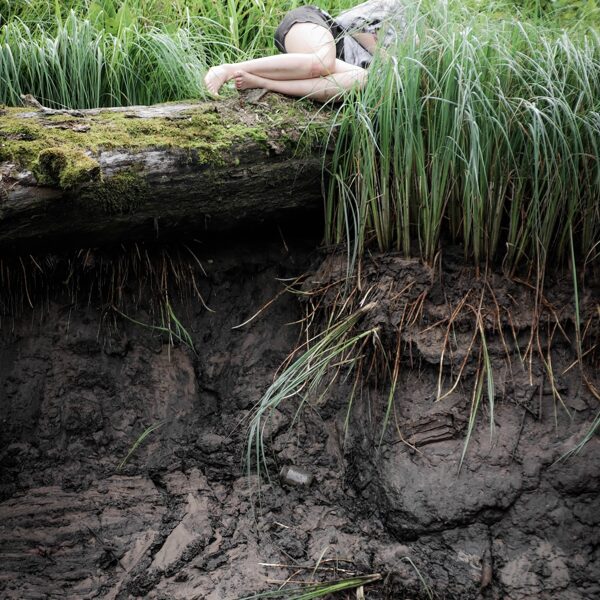
This dance performance concerns us, as people resist the natural environment. This creative process allowed a group of four women to establish close contacts and connections with the land, which slides between "cultivation" and nature. People try to create something great, nature takes it back and perhaps makes it even greater. The four performers encounter their personal elements, which are closely connected to our great mother's eternal story between life and death, creation and destruction, beauty and ugliness.

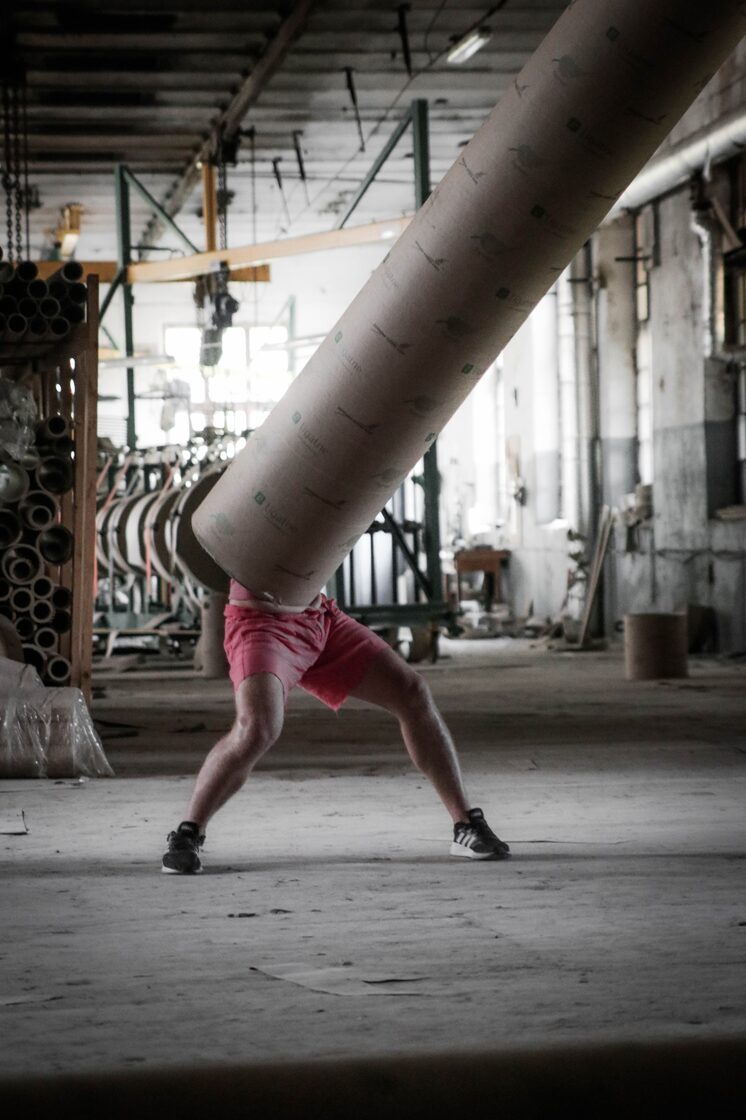
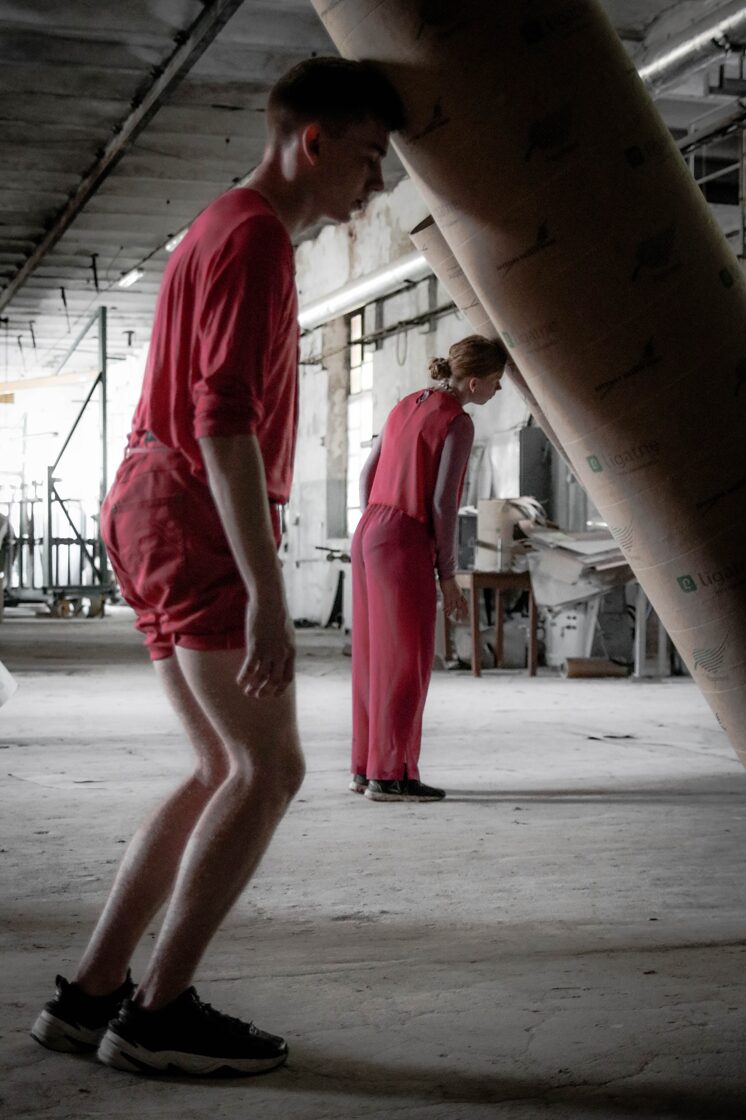
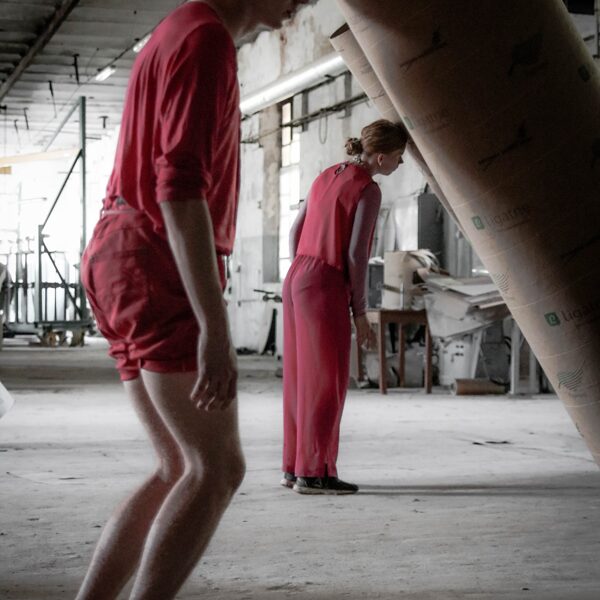
Hair the color of crepe paper
- Choreography: Yelena Arakelow, Klāvs Liepiņš
- Dancers: Kitija Kanepe, Daniela Indāne, Vladimirs Goršantovs, Klāvs Liepiņš, Yelena Arakelow
- Voices: Ligita Treija, Jevdokija Beitāne, Dzidra Šteina
The performance at the Līgatne Paper Factory deactivates and returns stories and colors that, just a few years ago, were the everyday life of Līgatne residents. The performers invite the audience to join a staged walk and together experience the impact of time on the abandoned factory.


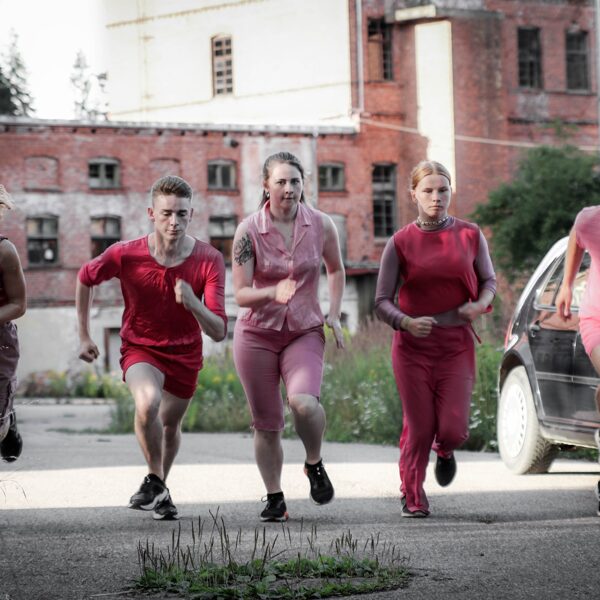
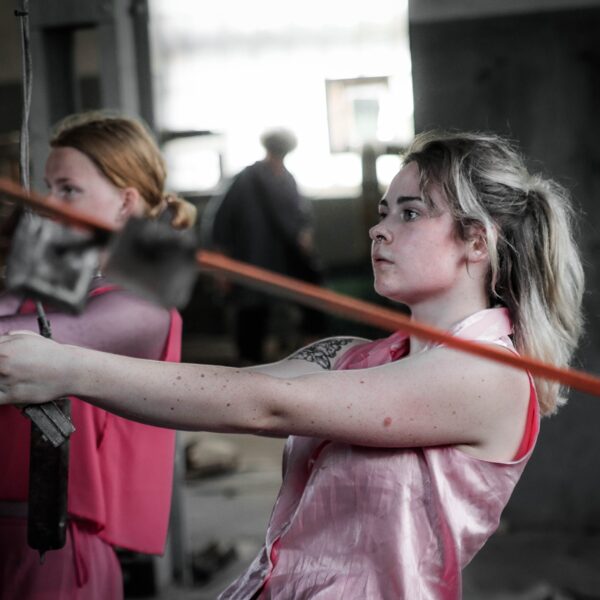
Trying beautifully
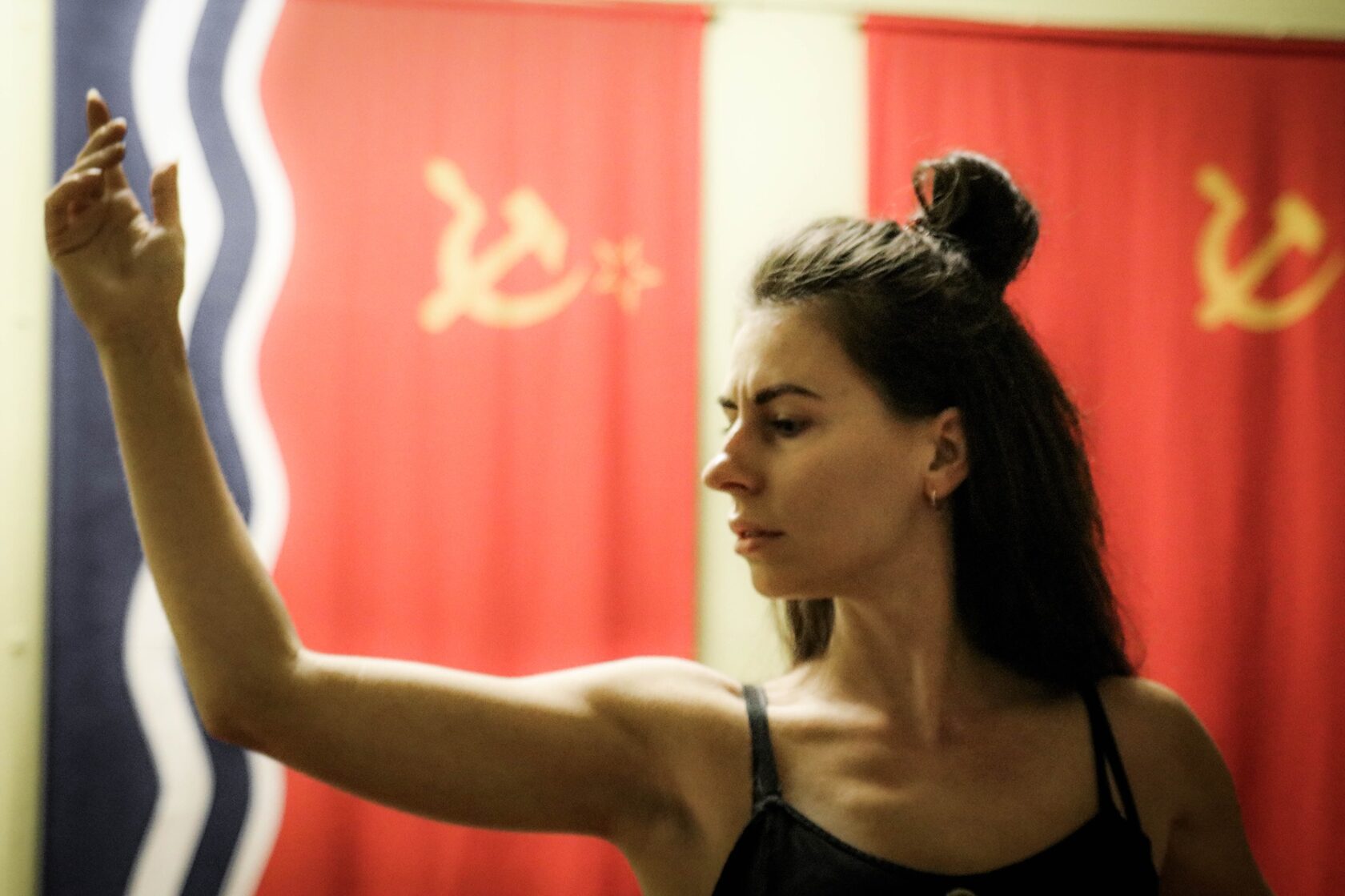
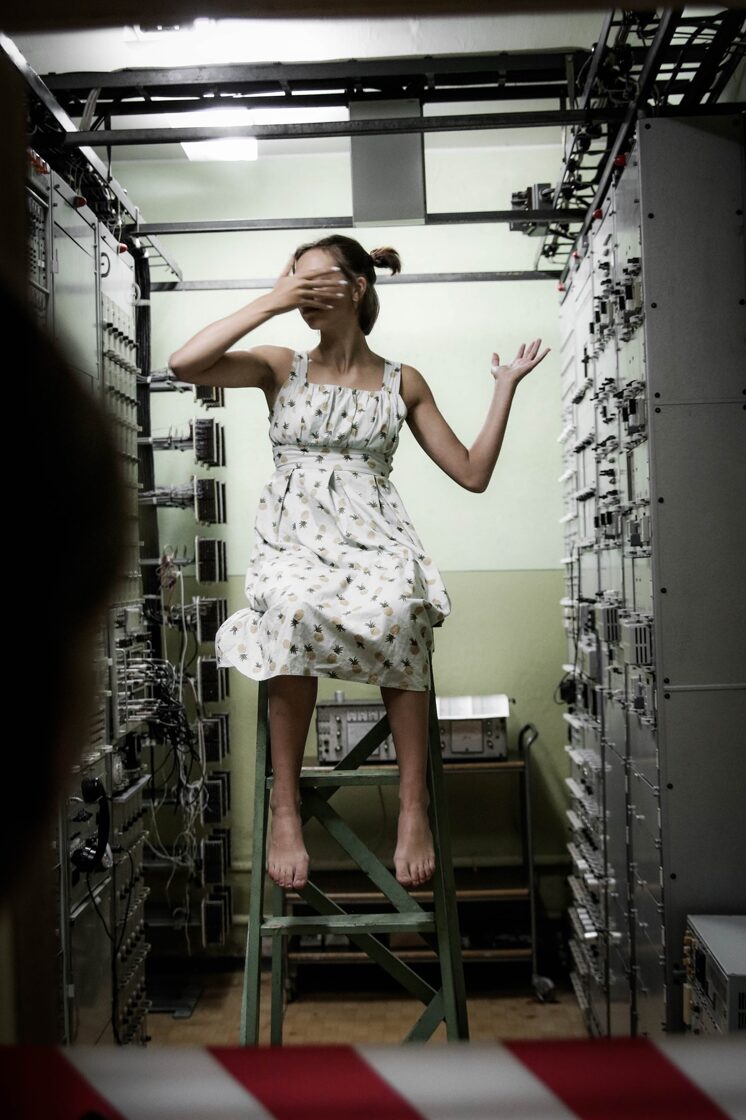
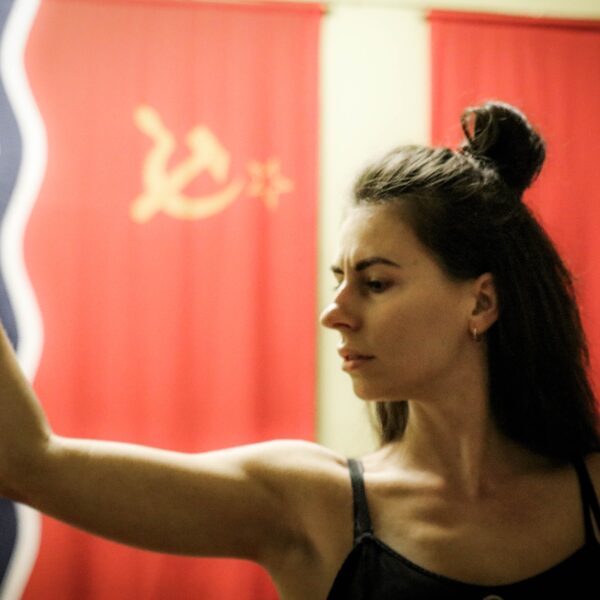
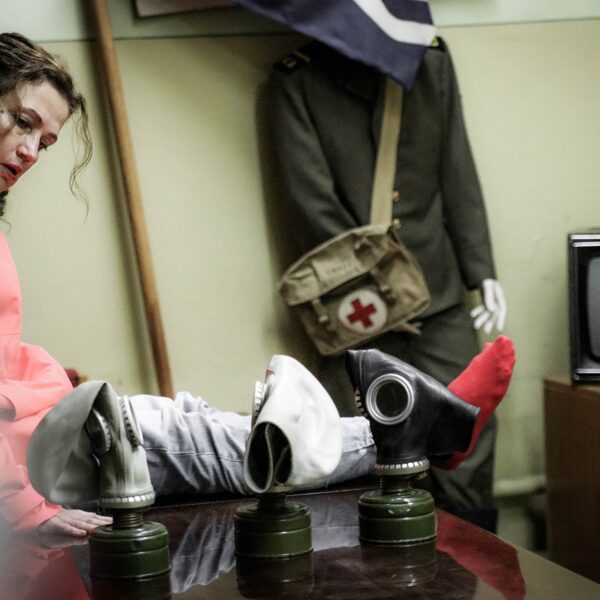
- Choreography - Olga Žitluhina (in the Līgatne bunker)
- Dancers: Laila Kirmuška, Iveta Dortāne, Svetlana Morozova, Elīna Cauna, Marija Kažiņina, Gunta Miheloviča, Ilze Bloka
- Dramaturgy - Tatjana Mežehova
- Music - Agustin Castilla Avilla
- Visual artist - Ieva Baumgarte
Beauty does not seek words... it must be practiced...?
Little Dust
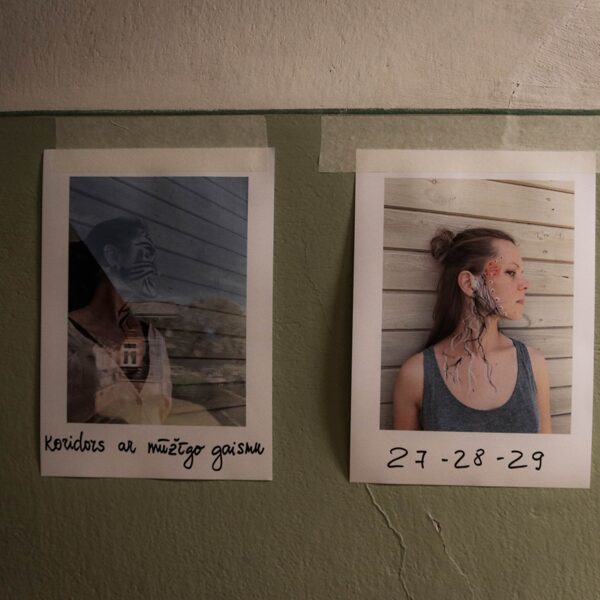
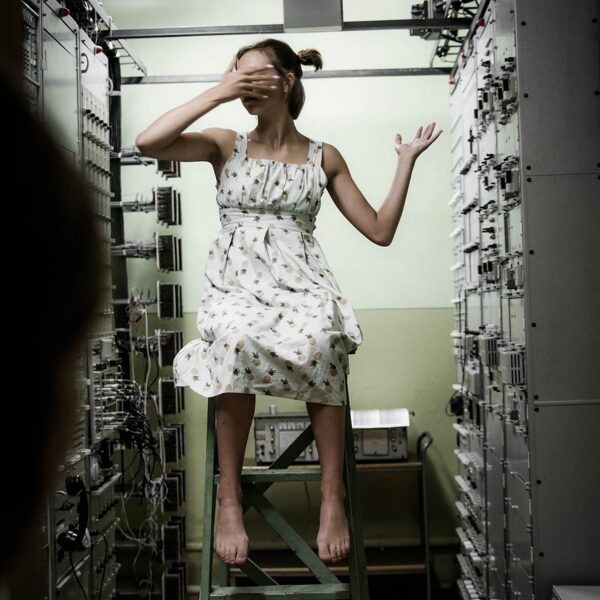
- Choreography: Andzejs Molenda, Zuzanna Kasprzyk
- Dancers: Ance Vesingi, Asnāte Gulbe
- Music - Klāvs Klaubergs (guitar)
“The Earth is a very small stage in a vast cosmic arena. ... Our posturing, our imagined self-importance, the delusion that we have some privileged position in the Universe, are challenged by this point of pale light. Our planet is a lonely speck in the great enveloping cosmic dark. In our obscurity, in all this vastness, there is no hint that help will come from elsewhere to save us from ourselves.” (Carl Sagan, “Pale Blue Dot: A Vision of the Human Future in Space”).
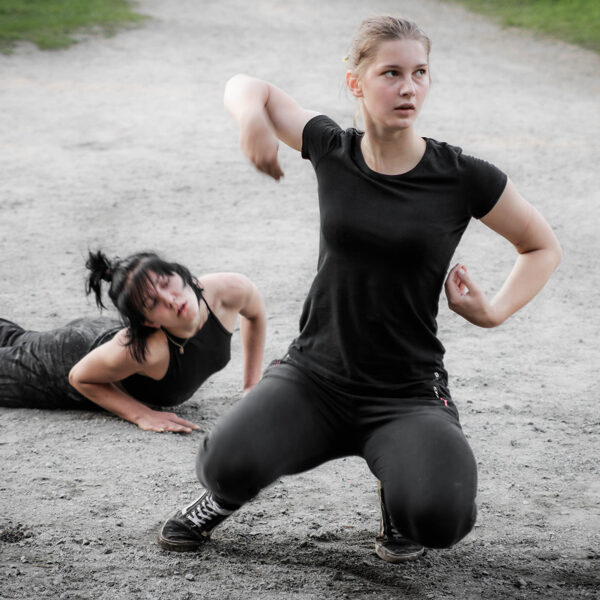
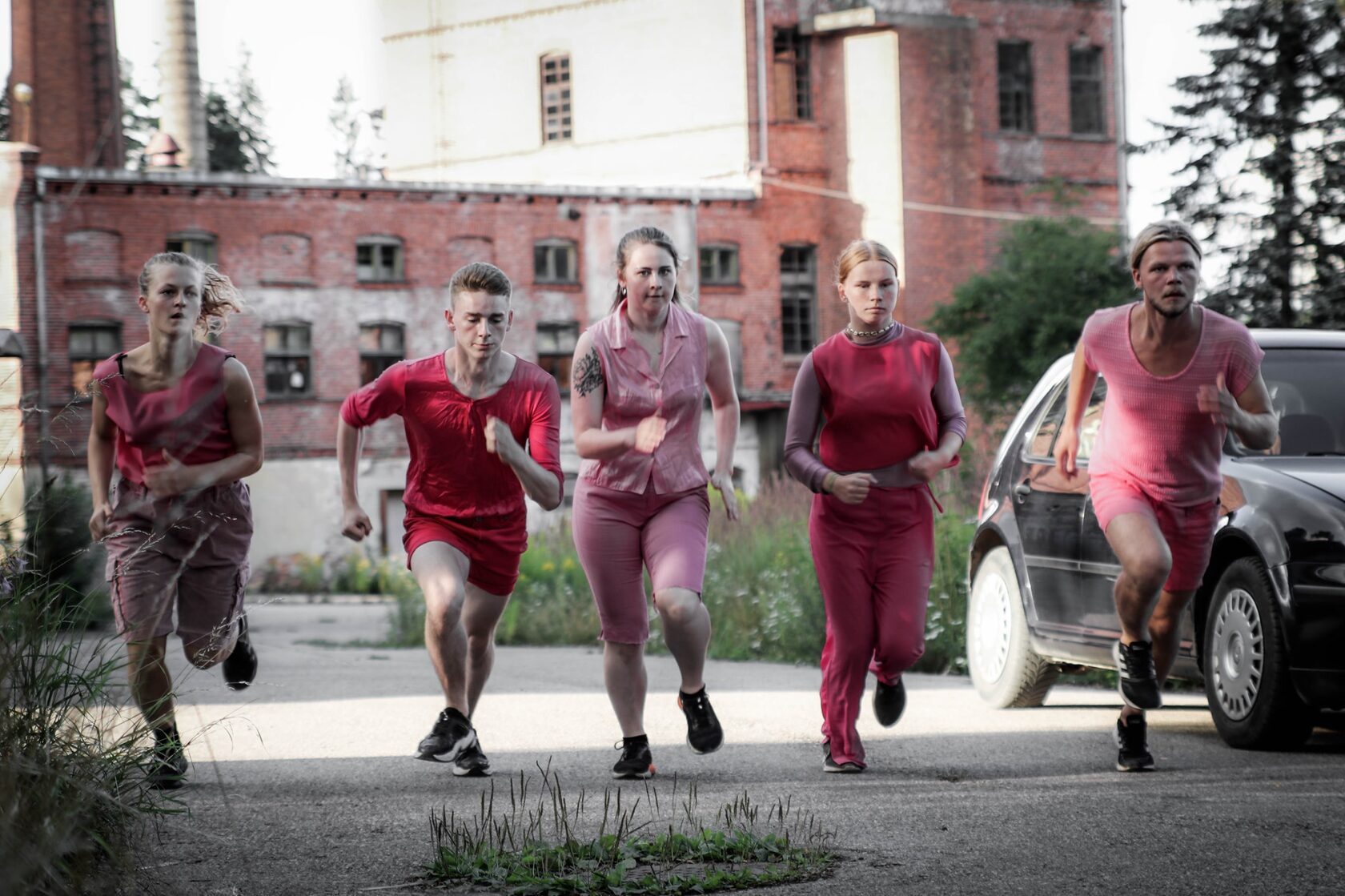
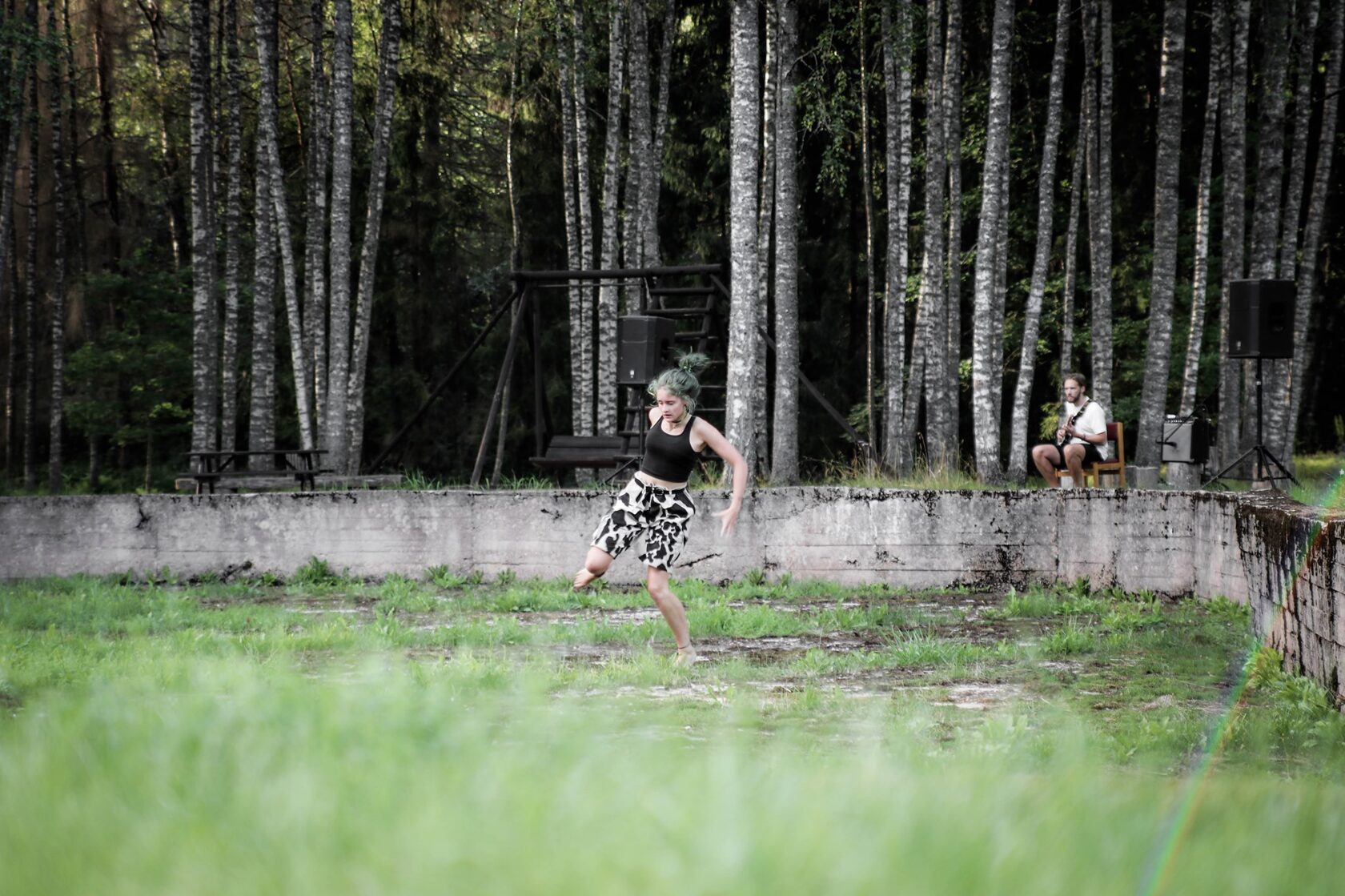
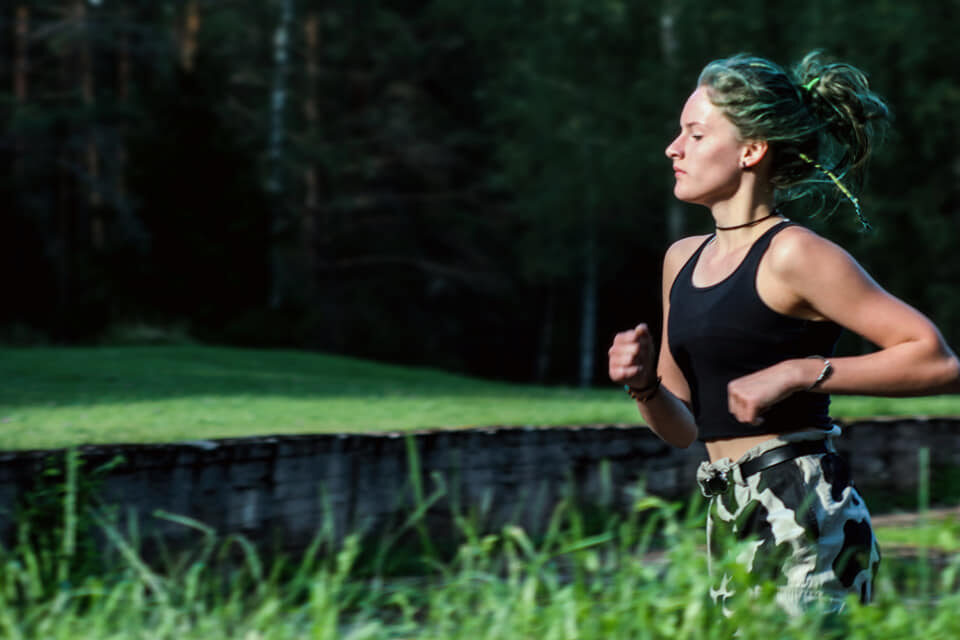
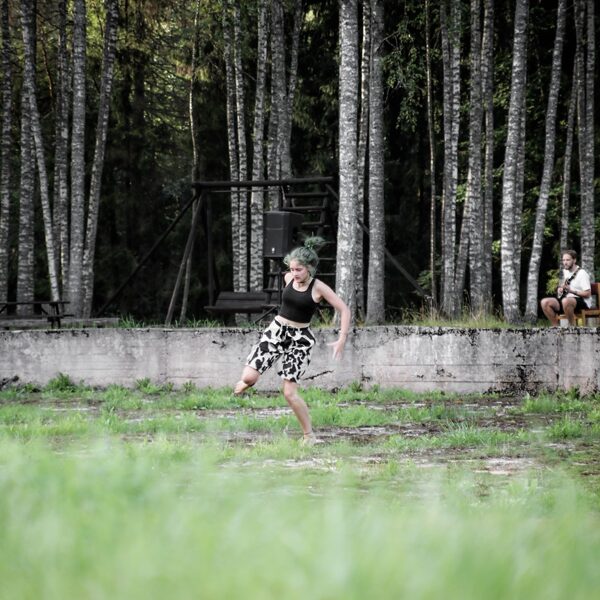
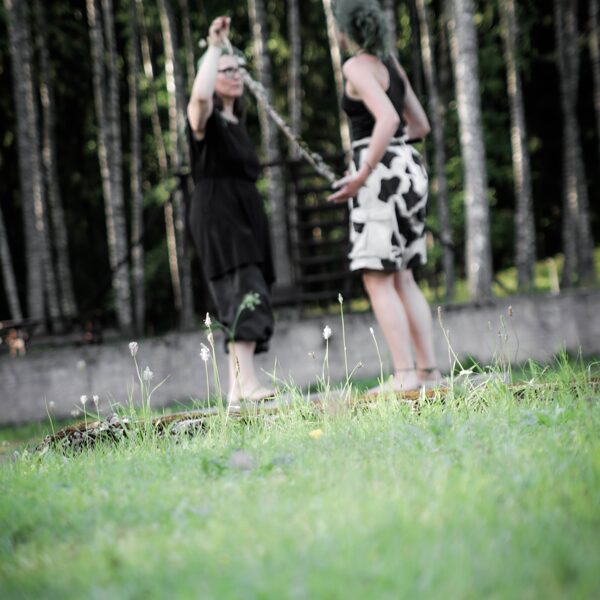
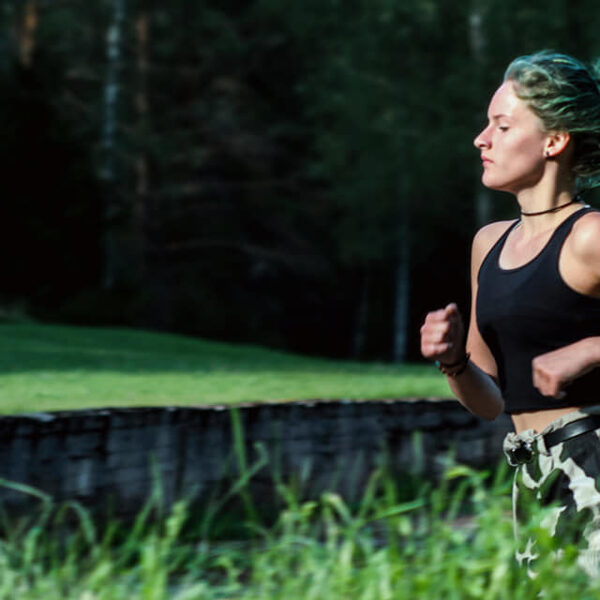
Two people, two personalities, two bodies, one movement. The audience becomes a witness to their commitment and effort, but can connect with somatic empathy and engage in observing the beauty of a running body. As artists, we ask whether dance has any meaning when the world collapses. As people, we ask whether anything can save us except sincere involvement in the simple presence of a moving body—a body that refuses goals and agendas?
2069, Earth (in the Līgatne caves and the area next to the bridge and dam)
- Choreography - Malgožata Susa
- Dancers: Kristiāna Jirjena, Agute Klints, Anniina Tammi, Marija Treija, Helmi Räisänen
- Music: Johann Johannsson, 10 000 Russos, Tren Go! Soundsystem
The territory of the Earth is no longer available for division. We have reached a point where political leaders can no longer influence living conditions in their countries, where borders become meaningless, as it is nature itself that decides where it is still possible to survive and from which parts of the globe people must escape. In this new world, 50 years later, people have formed modern societies – or tribes – where their national origin no longer matters, where languages mix once again, and a nomadic lifestyle becomes the only solution. Much of humanity has already perished, and those who remain on Earth must constantly move from one place to another, fleeing floods, fires, and storms. As the planet's territory shrinks, competition arises between different species. Humans can no longer consider themselves dominant; they must respect the presence of animals in shared spaces and negotiate their own place.
In the performance “Earth, 2069”, the choreographer wishes to introduce an apocalyptic vision of the progressive disappearance of humankind.
The choreographer's interest is to consider possible cultural remixes, to create new communities founded not on national grounds, but on the ways people choose to live. What do social relations look like? What is the rhetoric of the new leaders? We will create a simulation of a new reality in which the only survivors are those who were adaptable enough to forget material goods, their possessions, perhaps even relatives. What is the main aspect of consolidation, now that geographical division is no longer in effect?
The aim of the performance is to provoke reflection on what our planet will look like if humanity does not change its currently dominant behavioral patterns in response to climate change, air and water pollution, meat consumption, and other ecological problems.